Looking for GPS tracking in Lebanon? Learn how fleet management and route optimization reduce fuel waste, improve safety, and boost delivery performance across logistics, FMCG, cold chain, construction, municipalities, and more.
In a country where every kilometer matters, fleet decisions are profit decisions. Whether you operate delivery vans in Beirut, distribution trucks between Tripoli and the Bekaa, service cars moving between client sites, or heavy equipment on job sites, GPS tracking plus fleet management and route optimization turns “guesswork” into measurable control.
If you're a Lebanese fleet owner, operations manager, or CEO searching online for the following, this is for you:
GPS tracking Lebanon
Fleet management software Lebanon
Route optimization Lebanon
Vehicle tracking system for trucks, vans, motorcycles, and assets
IoT sensors, temperature monitoring, and AI dash cameras for fleets
Below is the full playbook: what to deploy, which industries benefit most, and how to structure it so it performs in real operations, not just in demos.
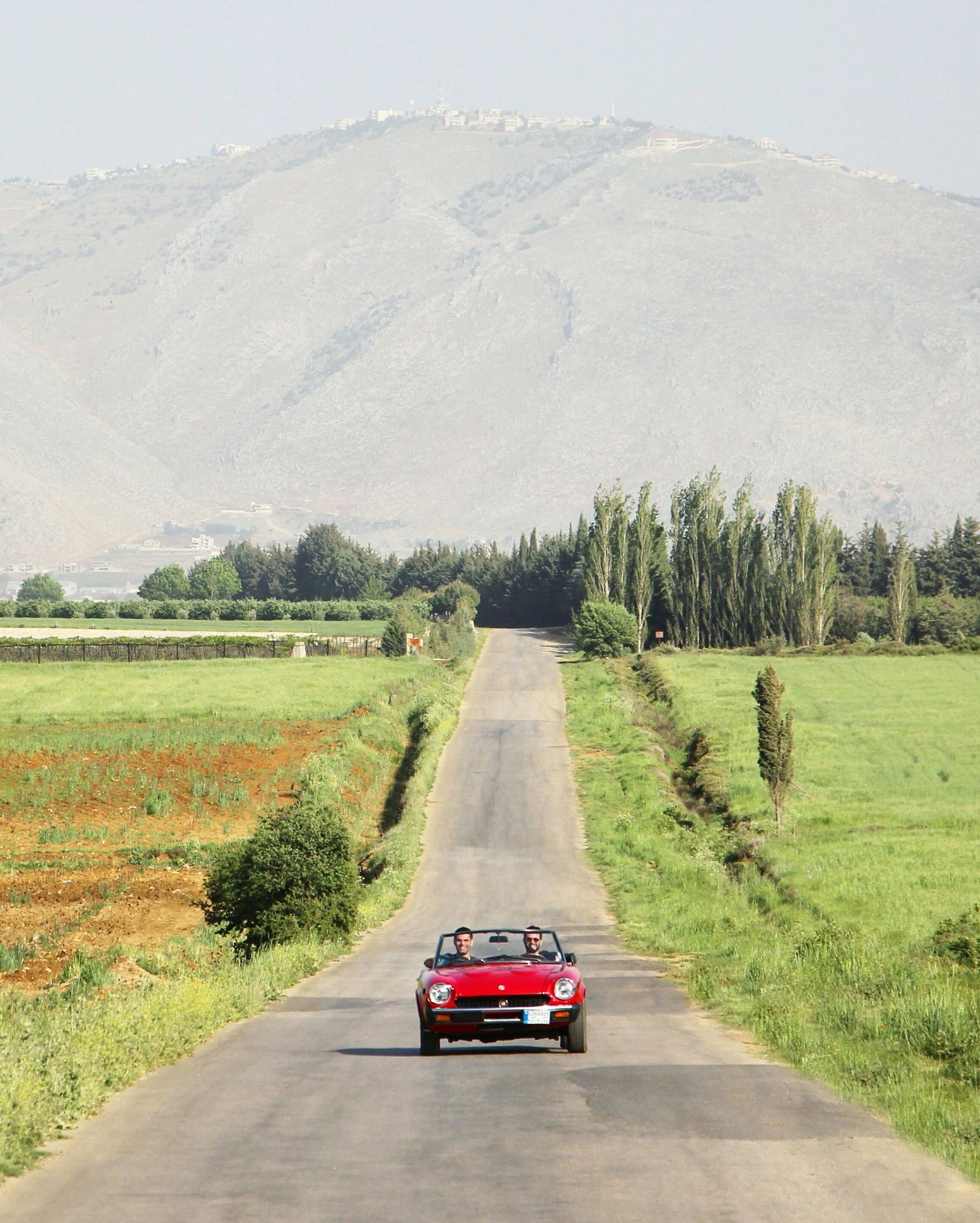
What these solutions actually mean (and how they work together)
1) GPS Tracking (visibility)
A tracking device (or a driver mobile app) sends location, speed, and ignition data to a platform, giving you live views, trip history, geofences, and alerts.
2) Fleet Management (control)
Fleet management layers operations on top of tracking: driver behavior scoring, maintenance planning, utilization, job status, reporting, and exception alerts (speeding, idling, harsh braking, unauthorized trips). Research consistently links driving patterns (speed, acceleration, braking, idling) to both safety outcomes and fuel efficiency, which is why monitoring these events is so valuable.
3) Route Optimization (efficiency)
Route optimization helps you plan smarter routes and sequences for multiple stops. It can factor distance, time windows, vehicle capacity, and priorities. Route choice and traffic-aware routing have long been studied as a lever to reduce fuel and emissions, especially when routing aims for fuel-efficient choices rather than only “shortest time.”
When you combine all three, you get a continuous improvement loop:
Plan routes → Execute with live control → Measure exceptions → Coach and adjust → Reduce cost per trip.
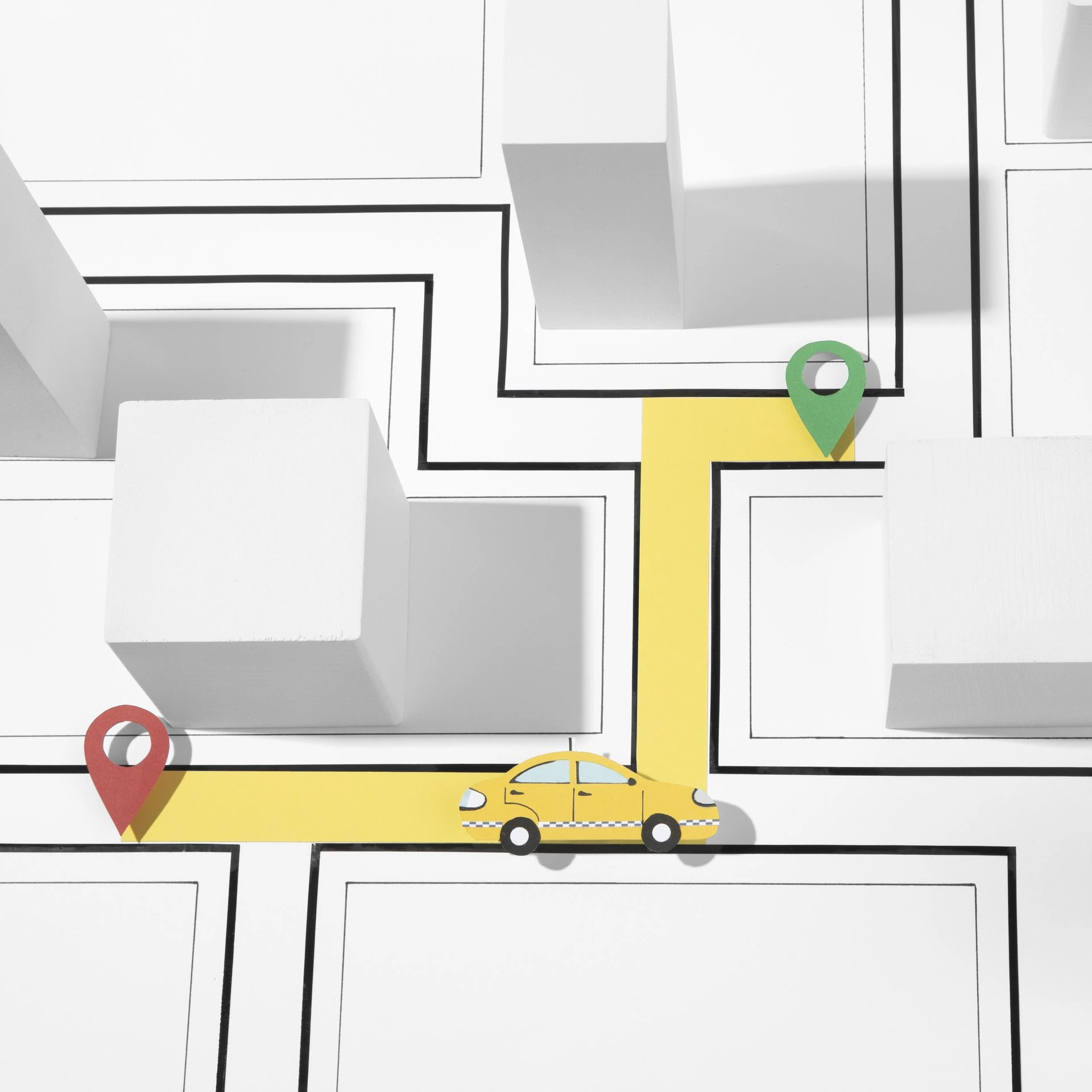
Why fleets in Lebanon adopt fleet tech now (even if they already “know the roads”)
Even the best dispatcher cannot reliably see:
Who is idling too long and where
Why deliveries are late (traffic, detours, driver behavior, unplanned stops)
Which vehicles are underused or overloaded
Which customers consistently cause delays
Which drivers need coaching to avoid risk
Which vehicles are approaching maintenance issues
Fleet systems solve that by converting daily movement into data you can act on.
If you want one quick, proven example of impact: efficient driving behaviors and driver training programs are widely recognized as a way to reduce fuel spending in fleets.
The “must-have” features Lebanese fleet operators should look for
Live tracking, trip history, and geofences
Live location, playback, and stoppage reasons
Geofence alerts for depots, customer sites, borders, and restricted areas
Unauthorized movement notifications for theft-risk scenarios
Driver behavior and eco-driving
Driver behavior signals (harsh braking, harsh acceleration, speeding, idling) are among the strongest, most measurable indicators affecting fuel and safety.
Dispatch and proof of delivery
Jobs and stops pushed to drivers
ETA updates
Digital proof of delivery (photos, signatures, barcode scans)
Maintenance and asset utilization
Service schedules by mileage or engine hours
Alerts before breakdown patterns escalate
Utilization reports that reveal which vehicles should be reassigned or replaced
Safety and compliance reporting
A U.S. transportation research report notes that telematics commonly tracks metrics such as speeding, hard braking, sudden acceleration, and sometimes fuel-related measures, precisely because these are operational levers fleets can manage.
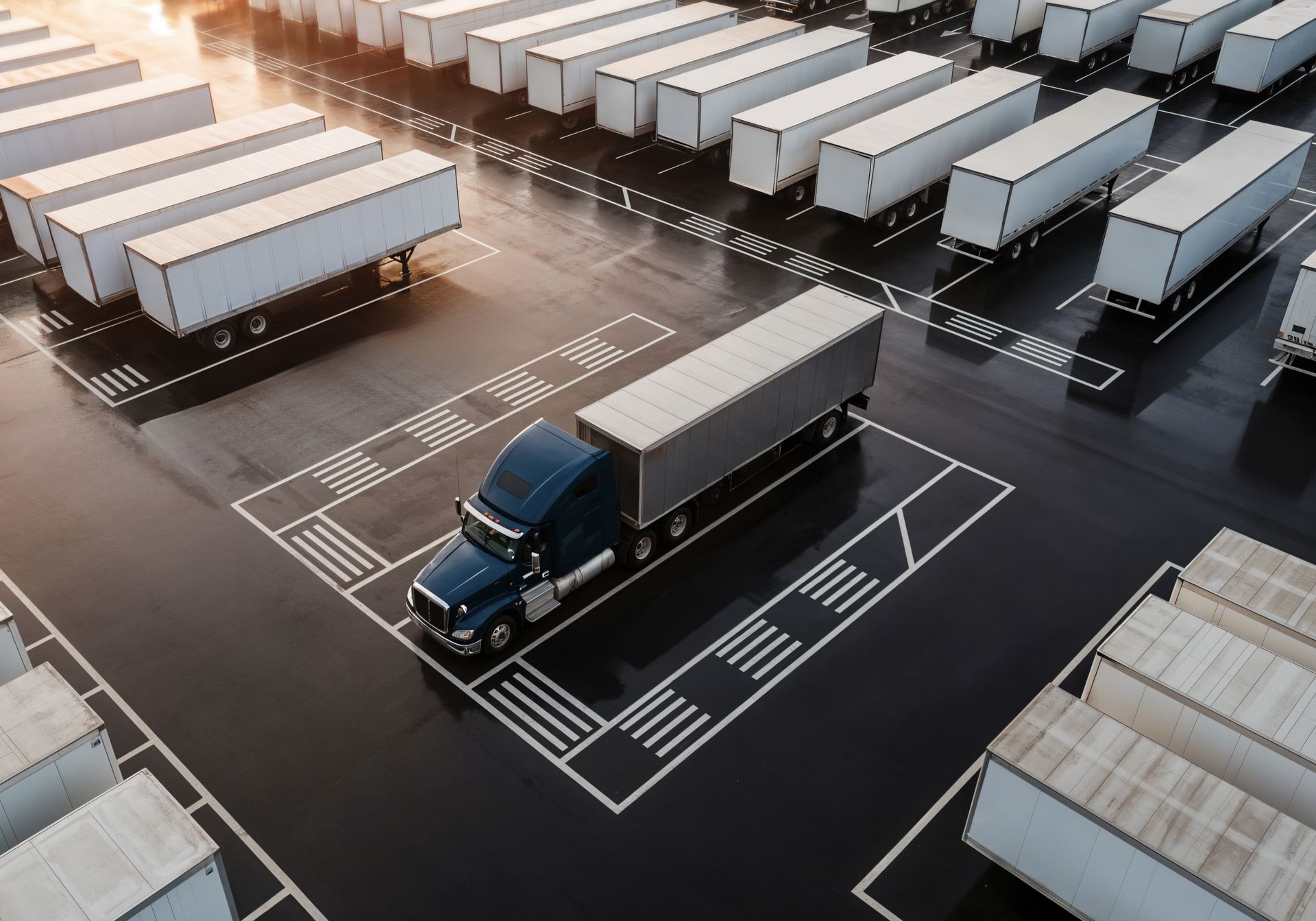
Going beyond GPS: IoT sensors and AI cameras (the modern stack)
IoT sensors (cargo, engine, environment, and asset health)
GPS shows “where.” IoT sensors explain “what is happening.”
Popular fleet IoT sensors include:
Temperature and humidity (cold chain: food, pharma, cosmetics)
Door open/close sensors (cargo security, route discipline)
Fuel level sensors (fuel theft detection, consumption anomalies)
Reefer unit monitoring (setpoints, runtime, alarms)
Tire pressure / axle load / engine diagnostics (where supported)
Asset trackers for trailers, generators, containers, and equipment
For cold chain, continuous monitoring is widely described as crucial to preserve product quality and reduce spoilage and waste across supply chains.
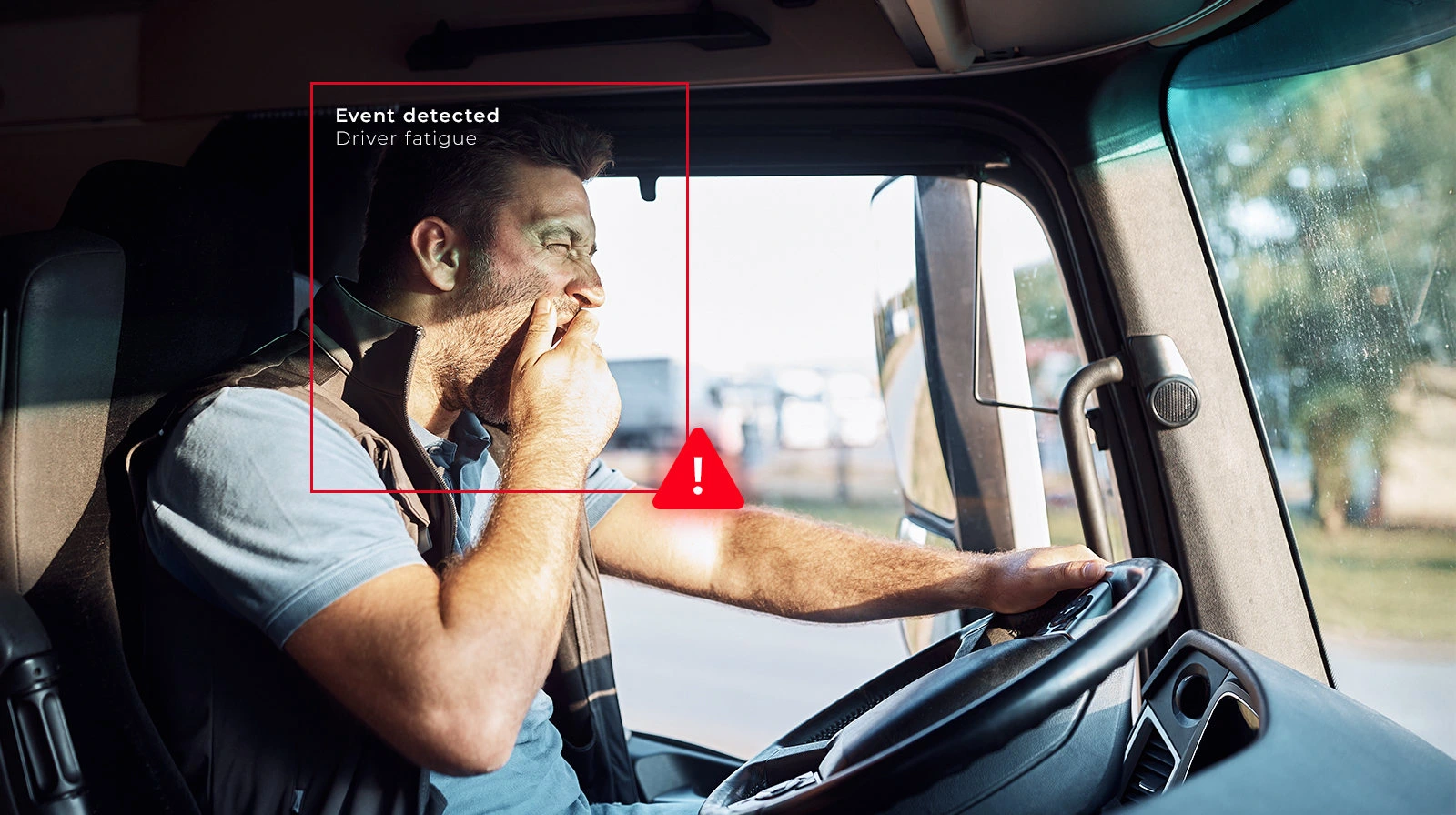
AI cameras and video telematics (safety, evidence, coaching)
AI-enabled dash cams and in-cab cameras add:
Driver distraction and phone-use detection (where permitted)
Seatbelt detection (model dependent)
Forward collision and lane departure warnings (ADAS features, device dependent)
Event-based clips tied to harsh events or near-misses
Clear evidence in incidents and customer disputes
Academic and safety literature supports the idea that video-based feedback plus coaching can materially reduce risky behaviors in truck fleets.
Industry-by-industry: who benefits in Lebanon (and how)
Below is a practical mapping of “fleet pain → what to deploy.”
1) Logistics, courier, and last-mile delivery
Pain: missed time windows, route chaos, customer complaints, high cost per drop
Deploy: route optimization + driver app + POD + customer ETA messages
Win: more stops per day, fewer failed deliveries, cleaner service metrics
2) FMCG distribution and sales fleets
Pain: unauthorized trips, inconsistent visit coverage, weak territory execution
Deploy: live tracking + geofences + visit reports + route compliance dashboards
Win: stronger execution discipline, measurable coverage, reduced wasted mileage
3) Cold chain (food, dairy, frozen, pharma)
Pain: temperature excursions, product loss, disputes with customers
Deploy: temperature sensors + real-time alerts + trip-temperature reports
Win: fewer claims, documented compliance, reduced spoilage risk
4) Construction and heavy equipment
Pain: idle time, machine misuse, equipment theft, unclear utilization
Deploy: asset tracking + engine hours + geofenced job sites
Win: better scheduling, reduced theft exposure, higher utilization
5) Municipal fleets and waste management
Pain: route inconsistency, missed pickups, poor accountability
Deploy: route planning + zone geofences + stoppage analytics
Win: visible service coverage and faster response to complaints
6) Field service fleets (maintenance, telecom, utilities, HVAC)
Pain: dispatch inefficiency, long response times, low daily productivity
Deploy: nearest-driver dispatch + job status workflow + SLA reports
Win: more jobs per technician, measurable response performance
7) Retail and hospitality supply fleets
Pain: delivery delays impact shelves and kitchens, especially at peak times
Deploy: optimized routes + proof of delivery + customer ETAs
Win: more reliable replenishment, fewer urgent re-deliveries
8) Public transport, school transport, and shuttles
Pain: parent/customer anxiety, lack of schedule visibility, safety concerns
Deploy: live tracking + geofenced pickup points + speed alerts
Win: transparency and safety reporting (with proper privacy governance)

9) Fuel delivery, generators, and high-value assets
Pain: theft risk and unverifiable stops
Deploy: fuel sensors (where feasible) + geofence alerts + route compliance
Win: anomaly detection and stronger accountability
10) Agriculture and agro-logistics
Pain: scattered operations, seasonal peaks, asset movement across regions
Deploy: vehicle tracking + cold chain sensors for produce (as needed)
Win: lower waste, better scheduling, more predictable deliveries
11) Security fleets and high-risk operations
Pain: route discipline, incident evidence, response speed
Deploy: geofenced routes + panic alerts + video telematics (policy dependent)
Win: improved control and clearer incident documentation

A simple implementation blueprint that works (Lebanon-ready)
Step 1: Pick 3 measurable objectives
Examples:
Reduce idling time by X%
Improve on-time delivery rate by X%
Cut unauthorized mileage by X%
(Your platform should turn these into dashboards and weekly reports.)
Step 2: Start with a pilot fleet (10–20% of vehicles)
Choose vehicles that represent your toughest reality (dense city routes, longer intercity trips, or cold chain).
Step 3: Install hardware + define operating rules
Working hours rules (after-hours movement alerts)
Speeding thresholds by vehicle type
Idling threshold (for example, alert after 7–10 minutes)
Geofences for depots, hotspots, and risky areas
Step 4: Add route optimization and driver workflow
Do not optimize routes in isolation. Tie routes to:
Customer time windows
Stop priorities
Driver schedules
Vehicle capacities
Step 5: Add IoT sensors and AI cameras where they matter most
Cold chain fleets first for temperature sensors
High-risk fleets first for video telematics and coaching
Step 6: Coach drivers using data (not punishment)
Evidence suggests coaching with in-vehicle monitoring and feedback can reduce risky behaviors, especially when paired with supervisor review.
Build a coaching rhythm:
weekly scorecards
short coaching sessions
recognition for improvement
MaliaTec implements tracking for legitimate operational and safety purposes, and abides by clear internal policies, driver notice/consent where required, and strict access control.
Knowing roads helps, but optimization handles multi-stop sequencing, time windows, capacity planning, and repeatable efficiency. Research on fuel-aware routing shows there is measurable potential in optimizing route choice and incorporating traffic information.
GPS is the foundation. Sensors matter when “condition” is the business risk, especially cold chain, fuel integrity, door security, and asset health. Continuous temperature monitoring is repeatedly emphasized in cold chain research because it helps prevent quality loss and waste.
They can improve visibility and enable faster coaching. Peer-reviewed and safety literature supports that video feedback combined with coaching can reduce risky driving behaviors in trucking contexts.
When you evaluate a platform like Maliatrack for GPS tracking in Lebanon, ask for:
Route optimization and dispatch workflows (not just maps)
IoT sensor compatibility for temperature, fuel, and doors
AI camera options for safety and incident evidence
Integrations with ERP and operations tools like Odoo (if relevant)
Alerts via channels your team actually uses, including WhatsApp (where supported)
Clear onboarding, training, and post-deployment reporting routines
Cost depends on fleet size, vehicle type (car, van, truck, motorcycle), whether you add IoT sensors (temperature, fuel, door) and AI cameras, plus whether you need dispatching and proof of delivery. ROI usually comes from reduced fuel waste (especially idling), fewer unauthorized trips, better route planning, and fewer incidents. A practical way to estimate ROI is to baseline your fuel spend + idle hours + late deliveries for 2–4 weeks, then compare after rollout
Most professional tracking devices support store-and-forward (they keep data when the network drops and upload later), and fleet platforms can trigger alerts for power disconnect, battery low, device offline, or unusual behavior. For high-risk fleets, you can add layered protection like backup power options, hidden installation, tamper alerts, and geofence-based theft notifications.
Maliatrack is hardware-independent (platform-based), which means you are not locked into one tracker brand. It can work with a very large range of GPS and telematics devices because Wialon is integrated with more than 4,100 models of tracking devices, including vehicle trackers, personal trackers, and software-based trackers (mobile apps). It also supports data from add-on hardware like IoT sensors (temperature, humidity, weight, light, and more), cameras, and tachographs, connected through the tracking device.