
Real-time visibility
for machinery, trucks, and support vehicles
The first major win in construction is visibility.
MaliaTrack gives operations teams a live view of:
- machine and vehicle location
- trip history
- stop history
- idle time
- time spent inside a site geofence
- unauthorized movement
- inter-site transfers
- out-of-hours usage
- dispatch and arrival patterns
Maliatrack’s construction guidance highlights real-time location and movement tracking as a way to plan and coordinate better across projects.
For construction companies, this improves:
- site coordination
- asset dispatching
- visibility across multiple projects
- supervision of subcontracted transport
- response time when something goes wrong
If a machine is needed urgently on one site, management can know exactly where it is. If a support vehicle is delayed, the team can react before the entire sequence is affected.
Engine-hour-based
maintenance for heavy equipment
In construction, maintenance based only on calendar dates is rarely enough. Many machines need service based on real operation, not just elapsed time.
Maliatrack supports engine-hours reporting, including how long the unit worked, how long it was in motion, and how much fuel was spent during that period. Its fleet maintenance solution also allows businesses to define service intervals, add service tasks and spare parts, and analyze overdue work with reports and notifications.
That matters for:
- excavators
- loaders
- generators
- graders
- rollers
- compactors
- cranes
- concrete pumps
- service trucks
With MaliaTrack, construction companies can:
- schedule maintenance based on mileage or engine hours
- get reminders before service is overdue
- reduce unexpected breakdowns
- improve machine uptime
- compare utilization across equipment
- avoid servicing lightly used units too early
For site managers and fleet teams, this creates better reliability. For management, it helps protect expensive assets and reduce avoidable downtime.
Fuel monitoring and
fuel theft control
Fuel loss can quietly damage construction margins.
Maliatrack has a construction-related South African case study where a company faced serious fleet challenges including fuel theft, poor mobile visibility, and site-related losses. The Maliatrack-based solution used GPS trackers, cameras, backup devices, and fuel level sensors on tipper trucks, water carts, graders, low beds, and excavators. The system helped the company control fuel and reportedly save 4,500 liters of fuel per month.
Maliatrack also offers fuel-management functionality that can show fillings and drains with date, time, location, initial and final fuel levels, and drained or filled volume.
For construction companies, MaliaTrack can support:
- fuel level monitoring
- filling and drain detection
- refueling event reports
- suspicious drop alerts
- driver or unit-level fuel analysis
- idle-time fuel waste tracking
- comparison across similar machines
- fuel reporting for vehicles and machinery
This is particularly valuable on projects where equipment works across wide areas, fuel is stored or supplied on site, or oversight is difficult.
Site geofencing and
unauthorized movement alerts
Construction equipment is expensive, and misuse often begins with movement that no one notices quickly enough.
MaliaTrack can use geofences around:
- project sites
- depots
- yards
- fuel points
- maintenance workshops
- restricted zones
That allows alerts when a machine:
- leaves a site unexpectedly
- moves outside approved hours
- enters an unauthorized area
- fails to reach the intended project location
For construction companies with multiple sites, this is one of the simplest ways to tighten control. It helps reduce theft risk, improve site logistics, and give managers stronger evidence in case of disputes.
Safer crane and
machinery operation
In construction, safety is not abstract. One incorrect manipulation can cause equipment damage, power-line incidents, or harm to people on site.
A Maliatrack case study from Mexico describes a construction-crane monitoring solution that combined a GPS tracker, wheel-control sensing, and a crane-control sensor. The system allowed the machinery to be instantly shut down on violation attempts, notified supervisors immediately about possible incidents, and helped prevent wrong crane manipulations and related expenses.
That is highly relevant to the construction page because it shows Maliatrack being used not only for location tracking, but for machine-use control and safety enforcement.
For MaliaTrack clients, similar logic can support:
- better awareness of equipment use
- alerts on unsafe or unauthorized operation
- stronger oversight of high-risk machinery
- better incident review and accountability
- protection of people, assets, and surrounding infrastructure
Better dispatch and site logistics
Construction performance depends heavily on timing.
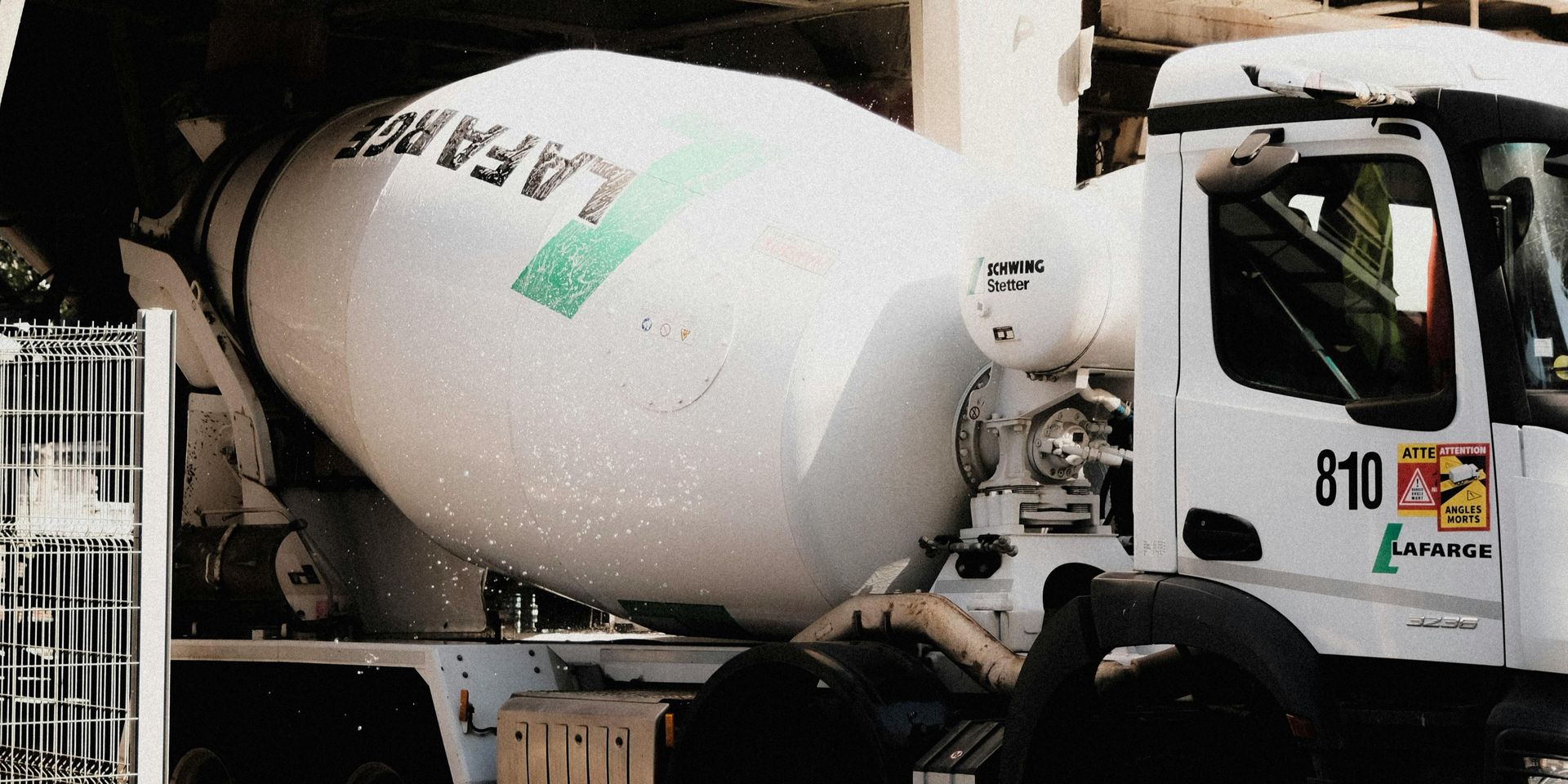
A delayed concrete mixer, a poorly sequenced aggregate delivery, or a support truck arriving at the wrong time can interrupt the whole workflow. Maliatrack’s construction and concrete-delivery materials highlight its use in better planning, coordination, detailed delivery-step reporting, and optimization of deliveries to construction sites.
MaliaTrack can help construction teams:
- see which vehicles are en route to each site
- track arrival and departure times
- detect long delays or unauthorized stops
- optimize dispatch patterns
- review delivery performance historically
- coordinate mixed fleets more effectively
This matters for:
- ready-mix operations
- site material supply
- concrete pumping support
- earthworks logistics
- water and fuel bowsers
- equipment transfer planning
For project-driven businesses, better logistics often improves project flow without requiring more assets.
Concrete and
building-material delivery control
Construction is not only about machinery on site. It is also about getting the right material to the right place at the right time.
Maliatrack has a concrete-delivery case in Brazil where the manufacturer wanted to optimize routes to construction sites, reduce fuel use, save money, and prevent unauthorized stops and rides to avoid concrete theft.
Maliatrack also has a dispatch-management case for a building-material company in the ready-mix concrete segment, where the system streamlined delivery processes and helped calculate KPIs and generate historical reports for performance analysis.
For MaliaTrack users, that means construction suppliers and contractors can use telematics for:
- route compliance
- stop verification
- delivery-step transparency
- KPI tracking
- site-arrival visibility
- reduced unauthorized stops
- better review of fleet productivity
This is particularly useful for companies serving several active projects at once.
Monitoring equipment status and sensor data
Construction equipment increasingly generates operational data that can be turned into actionable insight.
A Maliatrack case study in Mexico for industrial rental equipment shows how Maliatrack can collect data from each unit and provide real-time visibility into status, performance, and location, with the ability to monitor up to 60 sensor parameters per unit, receive alerts, and generate reports for both daily operations and long-term planning.
While that case is framed around rental equipment, the operational value applies directly to construction:
- more visibility into machine status
- more condition-based management
- earlier detection of abnormal behavior
- better planning of maintenance and utilization
- better data for both site operations and head office
This is useful for companies running mixed fleets with many machine types and varying utilization profiles.
Driver accountability
and mixed-fleet supervision
Construction fleets often mix heavy machinery with road-going support vehicles. That creates a need for stronger driver and operator accountability.
Maliatrack has a case involving trucks and special machinery where the customer needed to know which driver operated which vehicle, monitor fuel consumption, and control speed across a fleet of 232 vehicles. The result was real-time visibility of location, driving behavior, and fuel consumption, supported by reports that helped decision-making.
For MaliaTrack clients, this can help with:
- operator identification
- speed control
- driver behavior monitoring
- fuel-consumption comparison
- shift oversight
- better internal accountability
- stronger reporting when subcontractors are involved
In construction, this is valuable because cost control often depends on knowing exactly who used what, where, and how.