
Real-time visibility across delivery fleets
The first major benefit is visibility. MaliaTrack gives restaurant and retail operators live access to vehicle location, route progress, stop history, trip history, unexpected delays, and geofenced arrival events. That allows dispatchers to supervise operations while deliveries are in progress, not only after a complaint arrives. Maliatrack’s Kuwait restaurant-delivery case is a clear example: each restaurant got a Maliatrack account so dispatchers could monitor vehicles online, build reports, and receive notifications.
For restaurants, this helps answer practical questions like:
- where is the courier now?
- has the order left the pickup zone?
- is the delivery delayed?
- which driver is free for the next order? Maliatrack’s Papa John’s courier case specifically shows how restaurant operators used Maliatrack because their existing restaurant software did not provide enough visibility into courier movement and delivery time.
For retail networks, it helps answer:
- has the branch transfer vehicle left the warehouse?
- did it reach the store?
- how long did it remain there?
- which route is consistently slower than expected?
- are certain stores harder to serve efficiently? Maliatrack’s local-delivery and cold-chain examples show that route visibility and service control are core strengths of the platform.
Delivery-zone control
and route discipline
Restaurants and retail fleets often work within specific zones. A courier should stay within a service area. A store replenishment vehicle should follow a planned route. A branch support vehicle should not be taking unnecessary detours.
MaliaTrack can use geofences for:
- restaurant pickup areas
- customer delivery zones
- stores and branches
- warehouses
- depots
- restricted areas
- service territories. Maliatrack’s Kuwait delivery-monitoring case specifically notes that geofences were used to control driver presence in loading and delivery zones.
That matters because route discipline directly affects delivery time, labor efficiency, and fuel cost. For quick-service restaurants, poor route control can reduce order throughput. For retail fleets, it can create missed replenishments or underperforming store visits. Maliatrack’s official restaurant and local-delivery examples support this use of geofence-driven operational control.
Better courier
management for restaurant delivery
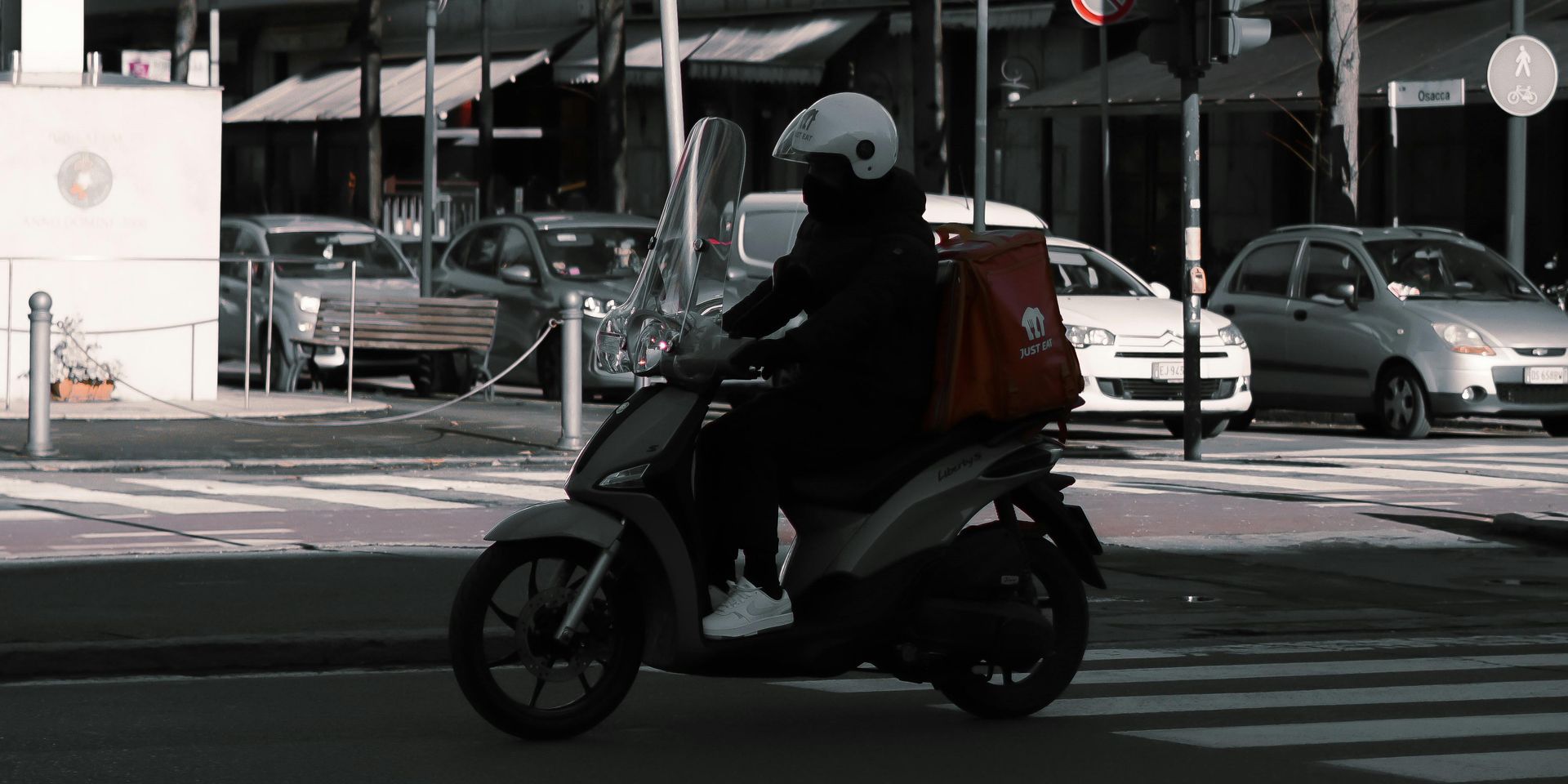
Courier operations can be hard to supervise when there are many orders and short delivery windows. Maliatrack’s Papa John’s courier-monitoring case is highly relevant here. The company already had restaurant automation software, but that did not show courier movement or how long each delivery actually took, nor what happened during the trip. Maliatrack filled that gap by giving visibility into courier location and movement.
That makes MaliaTrack useful for restaurants in Lebanon that rely on:
- in-house delivery drivers
- branch-based couriers
- regional food delivery fleets
- motorcycles or cars
- mixed contractor and in-house delivery teams. With MaliaTrack, restaurant operators can better track dispatch performance, identify delays, compare courier productivity, and strengthen accountability across shifts. The Kuwait WiaTag use case also shows how smartphone-based monitoring can work well for delivery staff, especially when installing hardware in every vehicle is not the best fit.
Cold-chain monitoring
for food and perishable retail goods
This is one of the strongest use cases for restaurant and retail fleets. If food, dairy, chilled beverages, frozen products, or other perishable goods are transported without proper temperature control, the business can face waste, compliance issues, and lost revenue.
Maliatrack has multiple relevant references here. Its refrigerated-truck fleet case in Russia showed lower fuel expenses, faster operations, and savings of more than $17,600 during implementation after replacing expensive built-in temperature registrators. Its cold-chain control case for an animal-products manufacturer in Bolivia focused on collecting temperature-related data and preventing overheating or underheating during delivery. Its refrigerator-monitoring article explains that improper temperature control is a major reason perishable goods are wasted in the supply chain.
For restaurants and retail businesses in Lebanon, MaliaTrack can help with:
- live temperature monitoring
- threshold alerts
- refrigerated vehicle visibility
- route correlation with temperature events
- proof of cold-chain handling
- faster reaction when a cooling issue appears. This is highly relevant to grocery chains, delis, food distributors, restaurant supply fleets, and retail operators moving chilled or frozen products.
Retail store
replenishment and branch-to-branch transfers
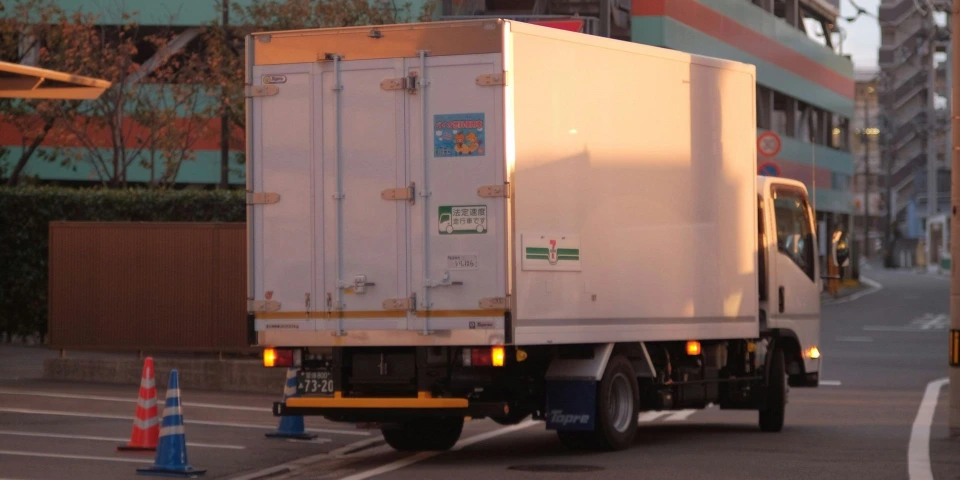
Retail operations often depend on repeat, time-sensitive routes between warehouses, stores, dark stores, and branches. The challenge is not only moving stock, but doing so with consistent timing and clear proof of execution.
MaliaTrack can support:
- route and stop tracking
- branch geofencing
- trip and delay analysis
- stop-duration measurement
- route compliance
- live branch-delivery visibility. Maliatrack’s local-delivery and refrigerated-transport cases show that the platform is well suited to multi-stop delivery operations where the business needs both time control and product-condition control.
For retail operators, this helps reduce store stockouts caused by delivery blind spots, improve warehouse-to-store coordination, and make branch service more measurable. When branches complain that vehicles are late or did not arrive as expected, route and geofence data provide objective evidence. Maliatrack’s delivery and monitoring cases support this kind of audit trail.
Field merchandiser
and supervisor visibility
Retail performance is not only about delivery vehicles. Many businesses also depend on field supervisors, merchandisers, or operational support staff moving between stores. These teams are difficult to manage without a live view of activity.
Maliatrack’s broader delivery and employee-tracking use cases, especially smartphone-based WiaTag deployments, are relevant here because they show how the platform can monitor staff location, movement history, zone presence, and route execution even without dedicated in-vehicle hardware. In the Kuwait case, smartphone tracking was enough to monitor 500+ couriers while providing location, speed, and battery data.
For retail operations, MaliaTrack can support:
- outlet-visit verification
- route discipline for field staff
- presence in assigned zones
- stop-duration analysis
- stronger accountability for store visits
- easier territory supervision. This is especially useful for chains with many branches or distributors managing merchandising and in-store execution teams. Maliatrack’s field-oriented monitoring capabilities make this commercially relevant even outside classic trucking use cases.
Fuel control and
delivery-cost reduction
Fuel is a major cost for restaurant and retail fleets, especially where there are many short urban trips, heavy traffic, idling, and repeated branch visits. Maliatrack’s refrigerated-truck case reported fuel-expense reduction after implementation, while its broader local-delivery and last-mile examples tie route efficiency and better fleet visibility to lower operating waste.
MaliaTrack can help reduce delivery cost through:
- idling reports
- route-efficiency review
- unauthorized-trip detection
- driver comparison
- fuel sensors where needed
- stop-pattern analysis
- utilization reporting. For restaurant-delivery businesses, even small route and idle improvements across many daily orders can make a visible difference to cost. For retail networks, the same applies to replenishment fleets and service vehicles. Maliatrack’s delivery and refrigerated-transport cases support that value proposition.
Refrigerated
equipment and in-store cold-room monitoring
For some restaurant and retail operators, risk does not stop once the vehicle arrives. Maliatrack also has a refrigerated-equipment monitoring case for a deli in the United States, where the business needed to ensure chilled and frozen food storage and avoid losses after power failure. That case is useful because it extends the telematics story beyond moving fleets into stationary refrigeration monitoring.
That means MaliaTrack can also be positioned for:
- fridge and freezer monitoring
- cold-room temperature alerts
- power-loss visibility
- remote alarms for temperature issues
- better protection of perishable stock. For grocery, deli, restaurant, and food-retail environments, this is a strong addition to the usual fleet-tracking message because it connects delivery control with product-preservation control. Maliatrack’s cold-chain and equipment-monitoring references support this broader operational approach.
Better reporting and
service transparency
Restaurants and retail chains often need to compare branches, drivers, routes, and service areas to understand where time and money are being lost. Maliatrack’s restaurant and delivery cases emphasize reports, notifications, order history access, and trip review as key management tools. In Kuwait, the client needed both 500+ vehicle visibility and access to order history. In the Papa John’s case, the goal was to understand delivery time and trip events more clearly.
That makes MaliaTrack useful for:
- branch delivery reporting
- route performance review
- courier productivity comparison
- cold-chain event logs
- dispute resolution
- service-level auditing
- proof of arrival and stop duration. Instead of debating whether a vehicle was late or a delivery was mishandled, management gets an operational record it can actually use. Maliatrack’s use cases show that this type of visibility is a key reason businesses adopt the platform in delivery-heavy environments.