
Real-time visibility
for service vehicles and field teams
The first operational gain is visibility.
MaliaTrack gives utility managers and dispatchers live access to:
- vehicle location
- trip progress
- route history
- arrival and departure times
- unexpected stops
- long idling
- utilization trends
- out-of-hours movement
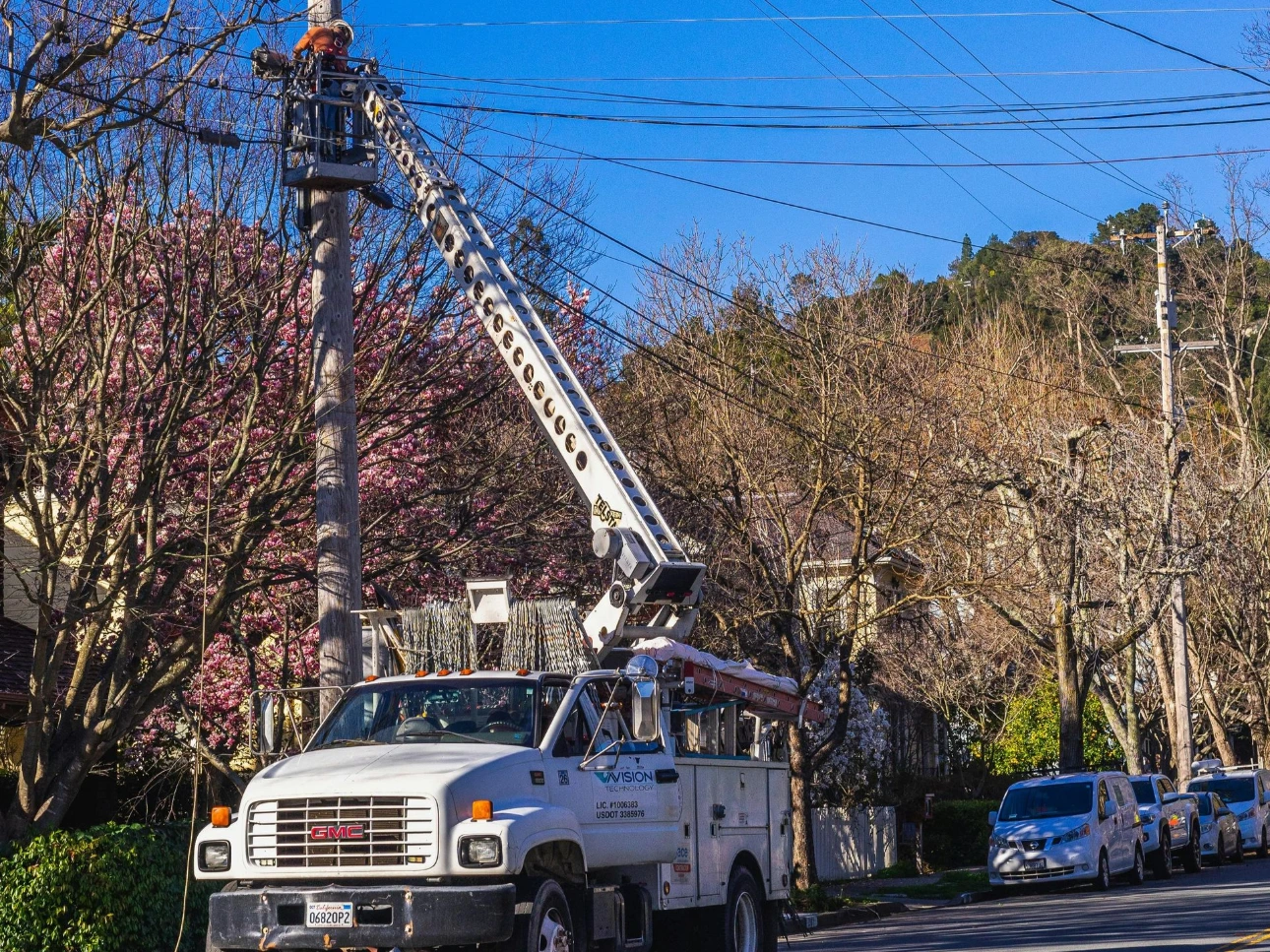
Maliatrack’s platform supports real-time dashboards and analytics, while the electricity network maintenance use case confirms that Maliatrack can be used in a field-workers context, not just classic trucking fleets.
For utilities, this helps answer practical daily questions:
- Which crew can take the next call?
- Which vehicle is nearest to an outage zone?
- Which units are underused?
- Which teams are spending too long between stops?
This kind of visibility reduces dispatcher guesswork and shortens reaction time during routine work and emergency interventions alike. Maliatrack’s automations and reporting are built to make routine operations more efficient and more visible.
Faster field response and smarter dispatching
Utilities win or lose a lot of trust on response time.
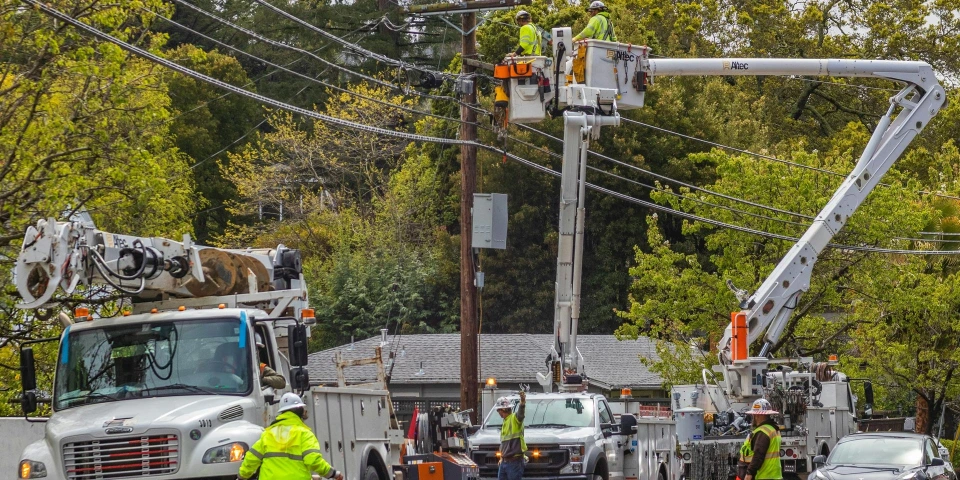
When there is a power issue, a water service interruption, a generator fault, or a site alarm, dispatch needs to know who can respond fastest and whether the assigned team is progressing as expected. Maliatrack’s platform includes automations and dashboards that make it easier to trigger actions, track tasks, and monitor compliance. It also supports custom application building, which helps service providers tailor workflows for real operational response.
With MaliaTrack, utility teams can improve:
- nearest-vehicle dispatch
- route visibility during incidents
- live ETA awareness
- reassignment when conditions change
- post-incident auditability through trip history
For utility operators, this is one of the most immediate benefits because field work rarely happens in a perfect schedule. Real-time visibility makes rescheduling and escalation more practical. Maliatrack is designed for sectors where reliable daily operations are essential, which aligns closely with utility service environments.
Maintenance planning
for utility fleets
Utilities rely on vehicle uptime.
A missed maintenance interval on a service pickup, bucket truck, generator van, or technician vehicle can delay repairs, increase downtime, and affect service quality. Maliatrack’s fleet maintenance management solution is built specifically to plan, control, and record services and expenditures, and it supports maintenance intervals by time, mileage, and engine hours. The system is designed to reduce operation costs, avoid critical breakdowns, and reduce workshop time.
That makes MaliaTrack useful for utility fleets that need to manage:
- preventive service reminders
- engine-hour-based intervals
- mileage-based intervals
- workshop history
- spare-part and service cost visibility
- overdue maintenance alerts
Maliatrack’s maintenance module also gives access to mileage, engine hours, services, and service reports per vehicle, which helps managers decide how to prioritize repairs and which units are becoming riskier to run.
For utilities, preventive maintenance is not only about workshop discipline. It is about ensuring vehicles are ready when outages, urgent repairs, and service calls happen.
Fuel monitoring and
misuse prevention
Fuel is a major cost category for field-service fleets, especially when the operation includes many short trips, traffic-heavy routes, idling at sites, and vehicles spread across different crews.
Maliatrack provides a dedicated fuel-management solution and case studies showing how telematics can track fuel levels, fillings, drains, and suspicious behavior. In one Maliatrack case study for an oil-field service company, the client reported a 40% reduction in fuel costs after implementation, while unauthorized interference with sensors could be detected quickly.
For utility fleets, MaliaTrack can support:
- fuel level monitoring
- fill and drain reports
- suspicious fuel-drop alerts
- idle-time analysis
- vehicle-by-vehicle consumption comparison
- route-based fuel review
- misuse detection
This is especially useful for utilities that run multi-shift service fleets, generator support vehicles, or mixed technician routes. Maliatrack’s fuel management tools are designed to give full visibility into fuel flow, optimize consumption, and prevent misuse.
Remote generator and
equipment monitoring
Many utilities operations involve assets that are not constantly moving but still need oversight.
A particularly relevant Maliatrack use case is remote generator and reefer monitoring. In that project, Maliatrack was used to collect data from generators and sensors, remotely start generators, switch power automatically, and trigger alerts when temperature moved outside acceptable ranges. The solution reportedly delivered 30% fuel savings thanks to remote generator control.
The same logic matters for utilities that manage:
- backup generators
- pumping stations
- mobile power units
- remote cabinets
- distributed infrastructure
- equipment at unmanned or low-attendance sites
With MaliaTrack, a utility operator can build better visibility around remote equipment by collecting sensor data, receiving alerts, and reducing unnecessary site visits. Maliatrack’s platform is built for IoT and custom sensor integration, and its broader positioning emphasizes flexibility for connected assets and operational data collection.
For Lebanon, where remote or distributed infrastructure may require constant follow-up, this can turn into fewer unnecessary trips and faster awareness of issues.
Field-worker
accountability and task verification
Utilities often need to prove that the team actually reached the site, performed the task, and completed the visit properly.
Maliatrack’s platform includes digital checklists to standardize inspections and tasks, helping ensure staff accountability and compliance. The electricity network maintenance use case is categorized specifically under Field workers, which reinforces Maliatrack’s fit for crews who need to be monitored beyond simple vehicle movement.
That makes MaliaTrack relevant for:
- meter-reading teams
- utility inspections
- preventive maintenance rounds
- service-visit verification
- field audits
- municipal or network support crews
A utility company can use telematics plus checklist logic to improve:
- proof of arrival
- time-on-site analysis
- route compliance
- inspection consistency
- staff accountability
This is especially important when operations are spread across many zones and supervisors cannot physically verify every field activity.
Better reporting,
dashboards, and management visibility
Utilities generate a lot of operational data, but that data is often scattered.
Maliatrack provides ready-made reports, customizable dashboards, and analytics, helping management see utilization, fleet status, and operational patterns more clearly. The platform also supports custom applications and integrations, which can help connect telematics data to service platforms or management dashboards.
With MaliaTrack, utility managers can build better visibility around:
- fleet utilization
- trip performance
- maintenance status
- overdue services
- fuel patterns
- driver behavior
- site-visit history
- asset availability
For utilities, this creates a stronger basis for decisions like:
- whether to add or reassign vehicles
- which routes or zones are inefficient
- which units need replacement
- where operating costs are creeping up
- which crews may need coaching
Maliatrack’s reports and notifications are specifically designed to support timely reaction and better control over distributed fleets.
Flexible hardware and sensor integration
Utilities do not all use the same assets, and that makes hardware flexibility important.
Maliatrack highlights broad compatibility with a large ecosystem of devices, sensors, and telematics hardware. Its maintenance page states that Maliatrack supports 4.1K+ device models, while the platform page describes compatibility with a large range of GPS trackers, sensors, and telematics hardware from global manufacturers.
That matters because a utility operation may want to connect:
- service vehicles
- generators
- pumps
- fuel sensors
- temperature sensors
- engine-hour inputs
- remote site hardware
For MaliaTrack clients, this flexibility means the system can be adapted to the actual operating environment instead of forcing the business into a one-size-fits-all setup.