
Tanker fleet tracking and live operational visibility
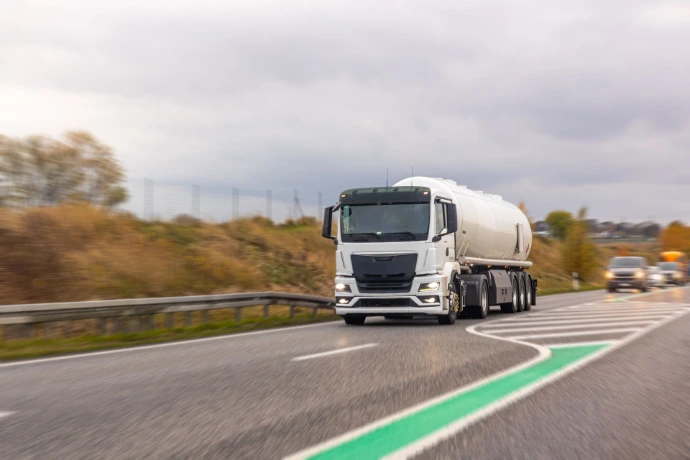
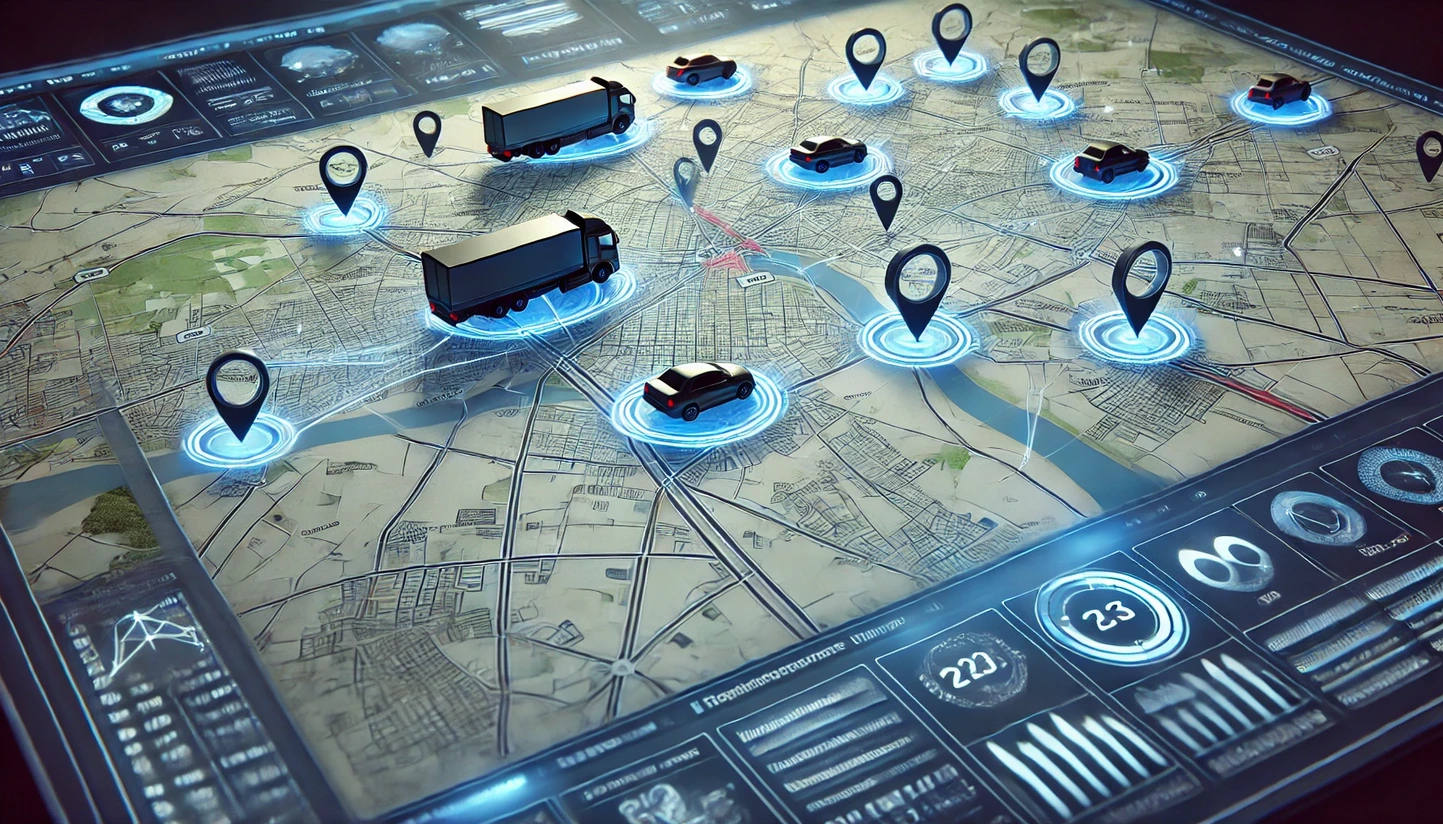
With MaliaTrack, dispatchers and operations teams can monitor all active vehicles from one platform. This includes:
- real-time vehicle location
- trip history
- geofences for depots, customer sites, filling stations, terminals, and restricted zones
- unauthorized movement alerts
- route deviation alerts
- stop duration analysis
- estimated arrival visibility
- utilization and trip reports
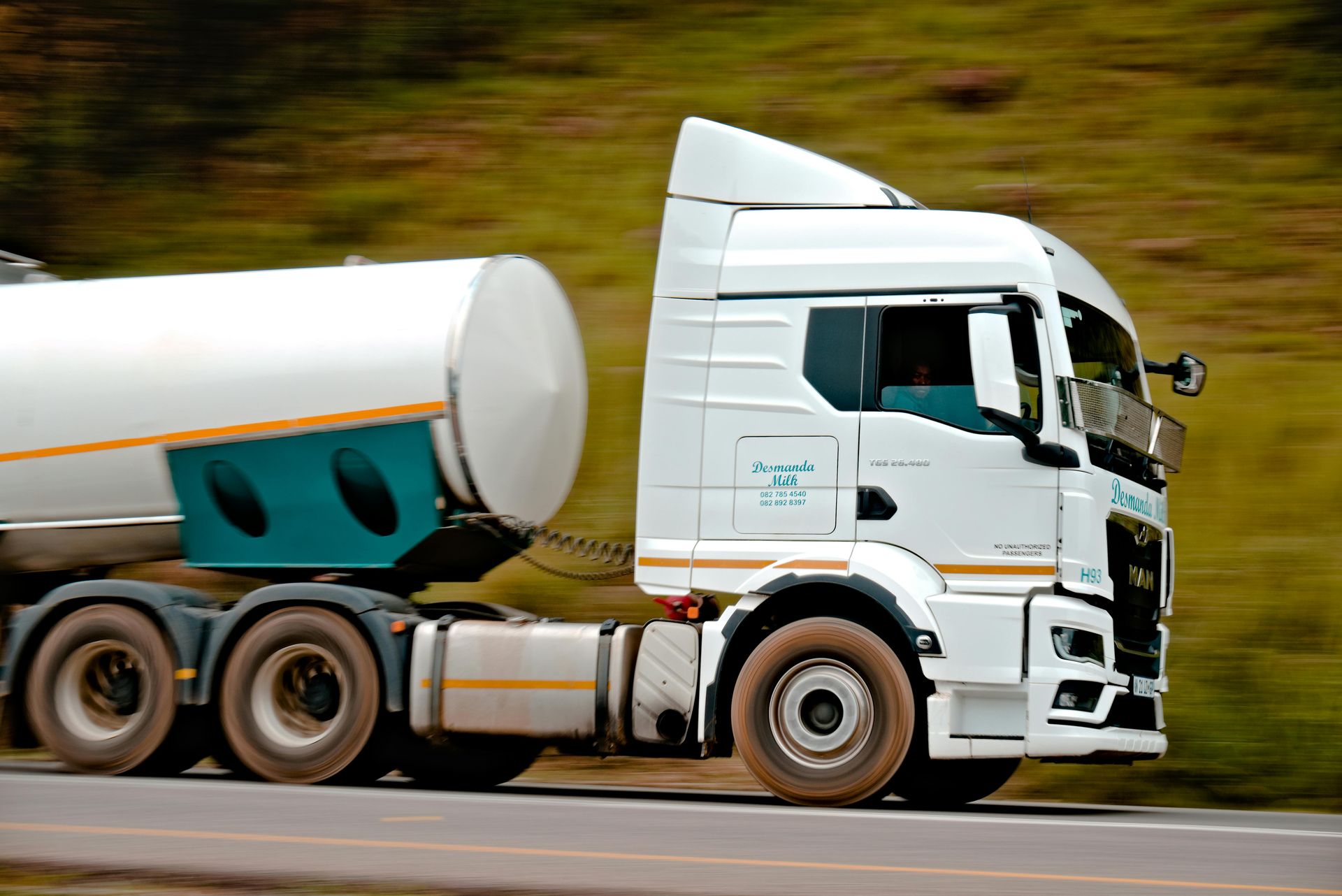
For petroleum distributors and fuel delivery operators, this creates daily control over dispatch performance and vehicle movement. In a Maliatrack case study from Lebanon, a leading fuel importer with more than 150 trucks used a Maliatrack-based solution to improve visibility across daily deliveries made to fuel stations, residential customers, factories, and the airport.
Driver behavior monitoring for safer fuel transport
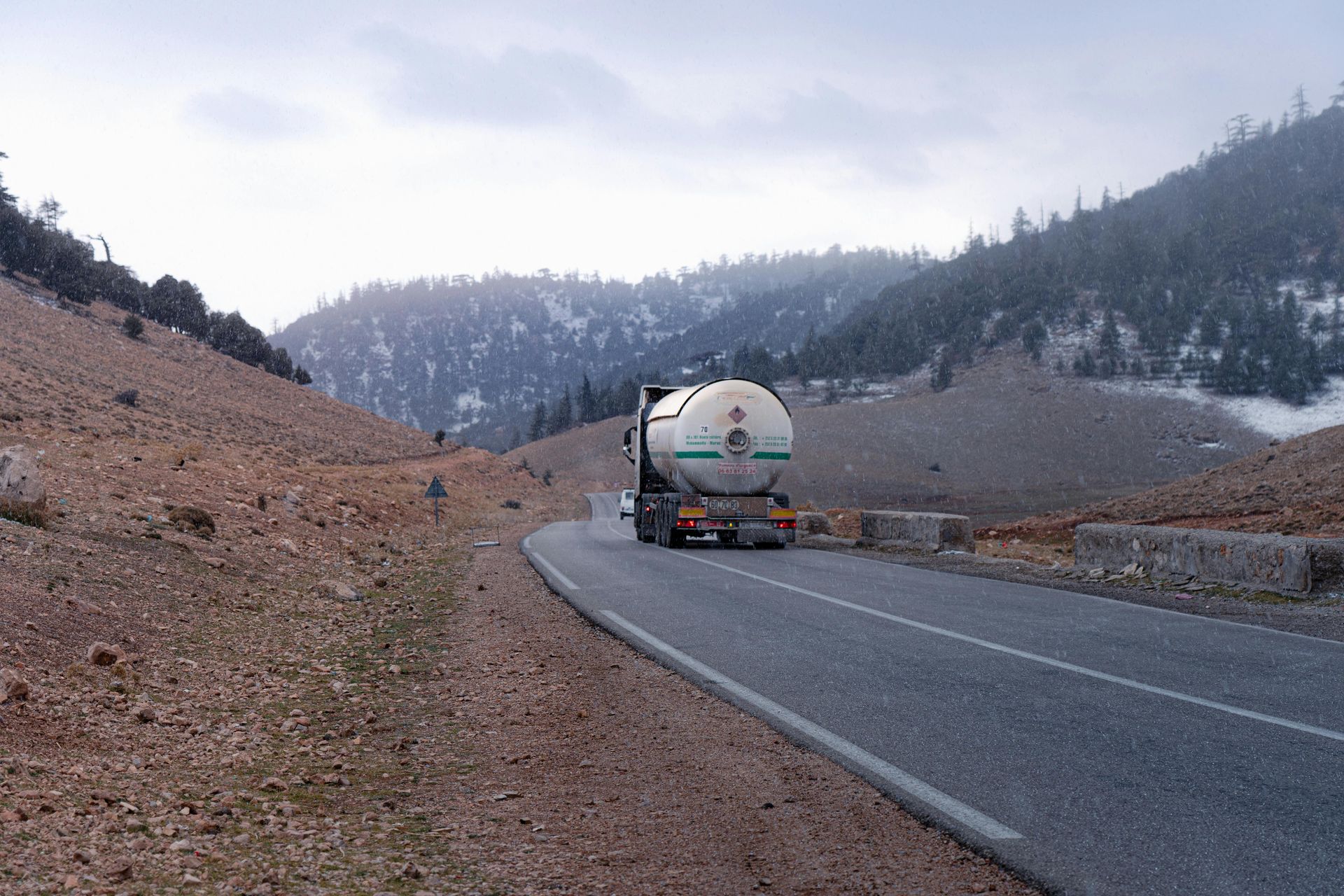
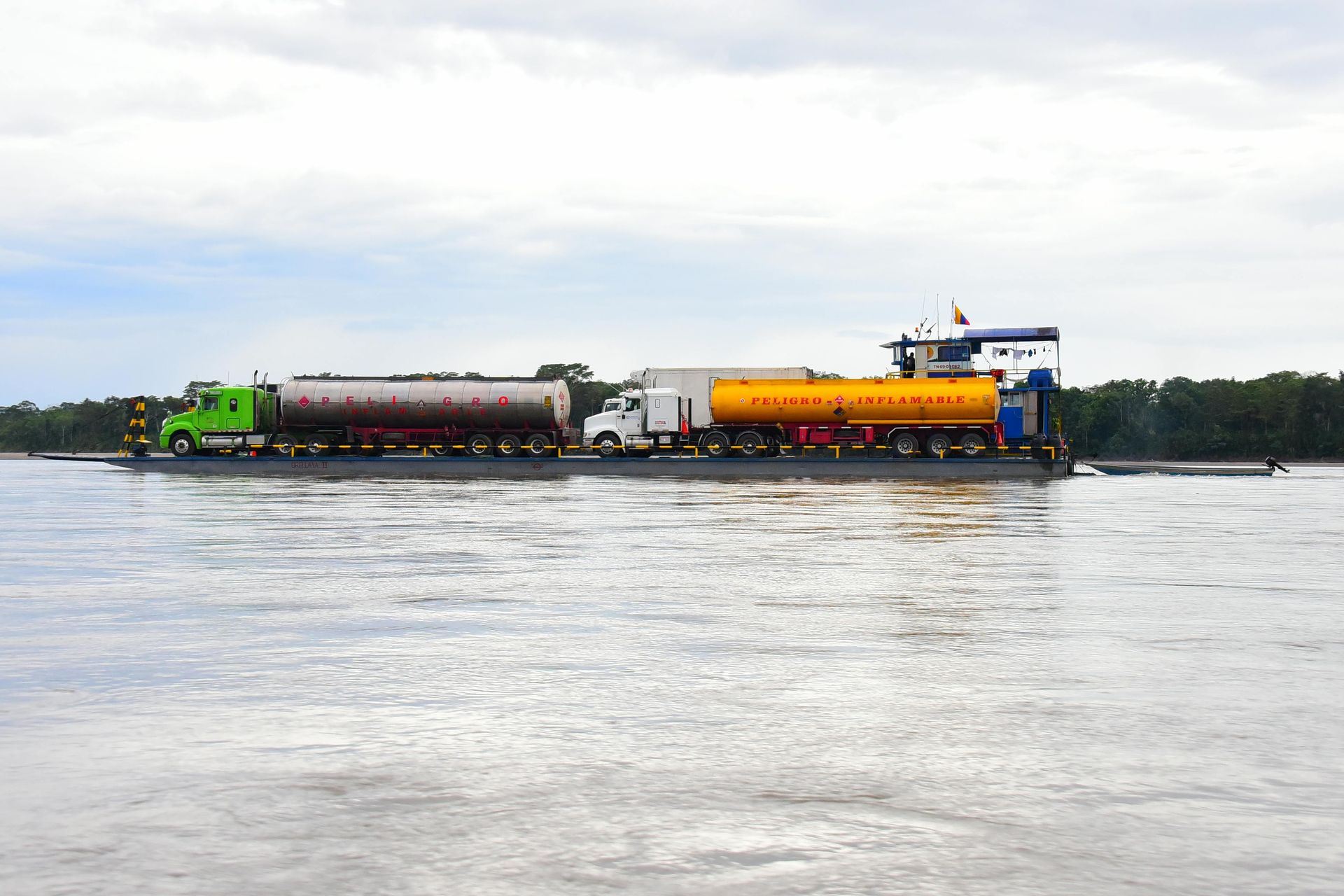
In oil and gas, unsafe driving has a bigger operational and reputational cost than in many other sectors. Fuel tankers and heavy service vehicles require tighter control over speeding, harsh braking, aggressive cornering, distraction, and non-compliant driving behavior.
MaliaTrack can help companies monitor:
- speeding
- harsh acceleration and braking
- sharp turns
- excessive idling
- unauthorized trips
- out-of-hours vehicle use
- driver identification
- driver scorecards
- compliance with internal driving policies
This is one of the strongest Maliatrack use cases for the sector. In Jordan, a Maliatrack-based driver behavior solution for Total Jordan led to 85% better driving, 90% less overspeeding, and 95% more compliance with labor law related to driving and rest rules.
For MaliaTrack clients, this kind of monitoring can support HSE goals, reduce fines, reduce accident exposure, and help coaching happen based on evidence rather than assumptions.
Video telematics for
incident investigation and proof
Oil and gas companies often need more than event logs. They need proof.
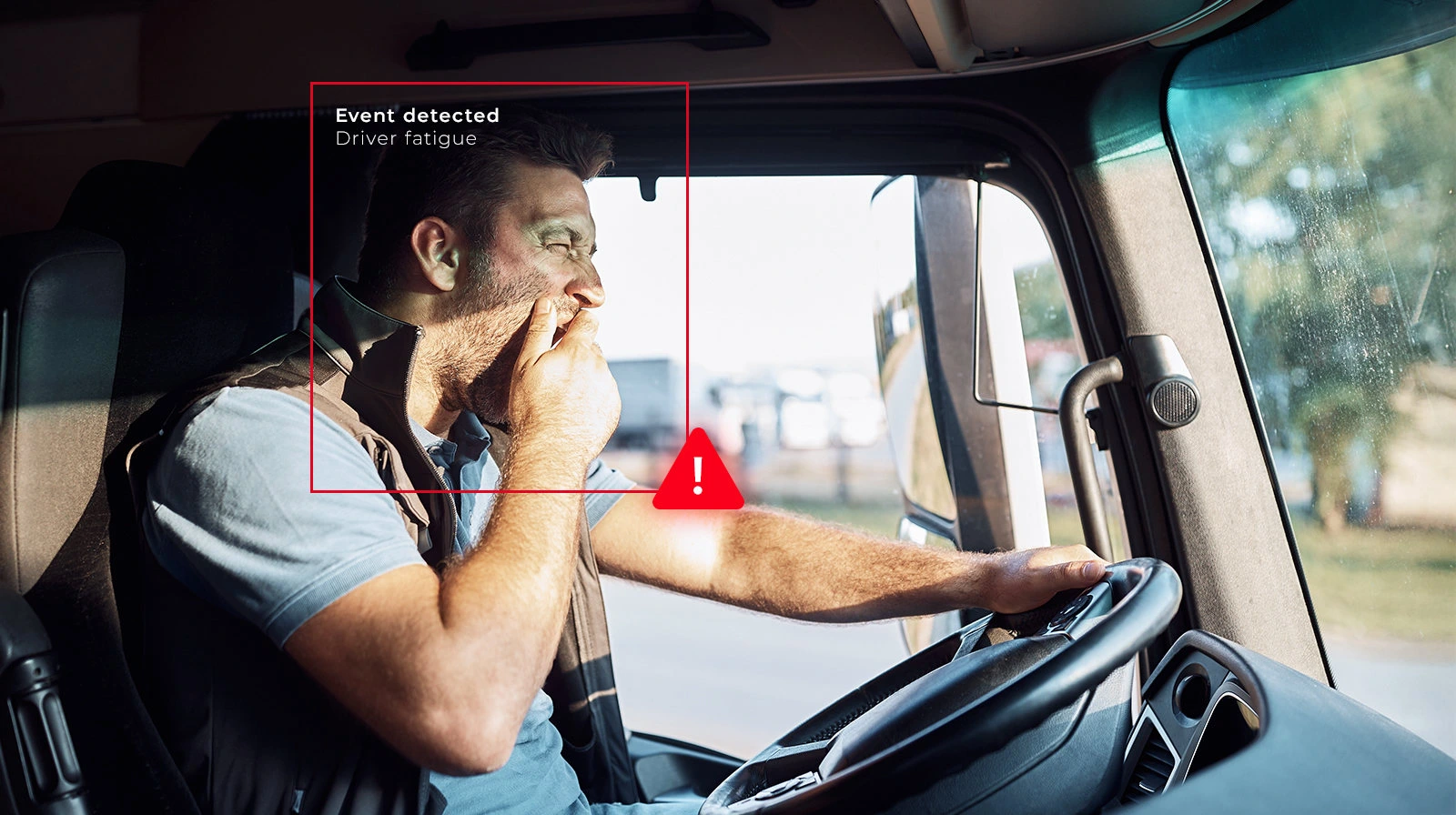
By integrating AI cameras and video telematics, MaliaTrack can help verify:
- distracted driving
- mobile phone use while driving
- tailgating
- driver fatigue indicators
- harsh road events
- cargo-area incidents
- illegal camera disconnection
- loss of video feed
- suspicious delivery behavior
This matters because not every incident can be understood from GPS points alone. In Maliatrack’s Lebanon case study involving MaliaTec, a serious truck explosion highlighted the lack of in-cabin visibility before the project was deployed. The resulting solution used video telematics, driver monitoring, and delivery management to improve safety and control. After implementation, the client reported 100% driver compliance, 23% fuel savings, zero driver-related accidents, and a 60% reduction in tickets within six months.
For oil and gas operators, that combination of live tracking plus video can be the difference between guessing and knowing.
Fuel monitoring and
fuel theft prevention
Fuel is both the product and one of the main operating costs. That makes fuel control especially important in this industry.
MaliaTrack can be deployed with:
- fuel level sensors
- CAN bus or onboard data capture where available
- refueling event reports
- sudden drop alerts
- consumption analysis
- idle fuel waste tracking
- delivery route optimization
- geofence-based fueling validation
- suspicious fuel loss detection
Maliatrack explicitly highlights telematics and IoT as a way to control fuel leakages or theft, while also improving safe driving and resource allocation.
For petroleum distributors, one practical use is linking route, stop, geofence, and sensor data together so operations can distinguish between normal delivery activity and suspicious fuel loss patterns. That is particularly valuable for tanker fleets, high-mileage operations, and multi-shift distribution businesses.
Route optimization
and delivery coordination
Fuel distribution depends on tight timing. Late deliveries impact customers. Poor routing increases cost. Unplanned trips increase risk.
MaliaTrack helps optimize:
- daily dispatch planning
- delivery sequencing
- route compliance
- live customer ETAs
- territory planning
- reduced empty mileage
- lower fuel use
- better asset utilization
In the Lebanon fuel delivery case, MaliaTec used Maliatrack’s delivery management capabilities to import orders, dispatch them efficiently, eliminate non-optimized routes, and allow customers to trace deliveries through real-time tracking links.
For Lebanese oil and gas companies, this is especially useful for operations serving:
- fuel stations
- generators and industrial customers
- construction sites
- residential fuel orders
- airport-related supply chains
- regional bulk or scheduled deliveries
Maintenance planning for critical vehicles and
equipment
Breakdowns in this sector are costly. A delayed service truck or disabled tanker can disrupt both operations and compliance.
MaliaTrack supports:
- preventive maintenance scheduling
- mileage- or engine-hour-based service reminders
- maintenance history
- inspection checklists
- spare-part and service coordination integration
- uptime-oriented maintenance planning
OSHA also stresses the importance of vehicle condition and shift checks, while oil and gas transport frameworks emphasize proper vehicle specifications, training, and system-level transport management.
For fleets operating in demanding conditions, preventive maintenance is not only a cost-control tool. It is part of operational reliability and risk reduction.
Remote asset and site
monitoring
Oil and gas operations are not only about moving vehicles. They also involve remote points, equipment, and site infrastructure.
MaliaTrack can be adapted for:
- generators
- mobile tanks
- bowsers
- pumps
- remote stations
- field equipment
- emergency buttons
- site access or alarm triggers
- stationary asset status monitoring
Maliatrack has also been used at Shell LNG stations to support alerts and remote actions through connected hardware integrated with emergency systems.
This is important for companies managing distributed energy or petroleum infrastructure where response time matters.

Workforce and patrol verification
Some oil and gas workflows depend on proving that inspections, rounds, or patrol tasks were actually completed.
Maliatrack has a real oil-field example in which a bypass control solution reduced monitoring labor and improved process visibility. The client achieved a 90% reduction in working hours during monitoring and improved understanding of how the work was truly being performed.
For MaliaTrack clients, similar logic can be used for:
- inspection rounds
- route-based patrols
- field technician verification
- checkpoint compliance
- remote workforce accountability