Fuel waste is rarely caused by one big problem. In most fleets, it comes from small habits that repeat every day across drivers, routes, and vehicles until the end-of-month fuel bill feels impossible to control. The good news is that fuel waste is also one of the easiest cost leaks to fix, because it shows up in patterns. Once you can see those patterns clearly, you can change them quickly.
This guide is written as a practical checklist you can follow like a routine. It explains the most common fuel-wasting habits, how they usually appear in day-to-day operations, and what you can do to reduce them using telematics and fleet management tools like Maliatrack.
What fuel waste really means in a fleet
Fuel waste is any fuel spend that does not create operational value. That does not mean every liter needs to be “perfectly efficient.” It means you want to eliminate the fuel consumption that comes from preventable behavior, preventable planning issues, preventable vehicle condition problems, and preventable misuse.
In most fleets, fuel waste falls into four categories. The first is driving behavior, which includes idling, speeding, and aggressive driving like harsh acceleration and harsh braking. The second is routing and planning, which includes detours, poor scheduling that forces stop-and-go driving, and too many short trips that begin with a cold engine. The third is vehicle condition, which includes tires, maintenance issues, and unnecessary weight or drag. The fourth is misuse, which includes unauthorized after-hours trips and “private errands” that the company ends up paying for.
You do not need to attack everything at once. The best results usually come from starting with two or three behaviors you can measure easily, improving them for a month, then expanding.
Habit 1: Idling that quietly becomes part of the routine
The most common fuel leak in many fleets is idling. It happens in depots, at customer sites, while waiting for loading or paperwork, and during “quick stops” that turn into long delays. Idling is sneaky because it feels harmless. The vehicle is not moving, the driver feels like they are not “using” the car, and the engine noise becomes background.
To reduce idling, the first step is visibility. You want to know where idling happens most and which vehicles repeat it. With Maliatrack, that means reviewing idling time per vehicle and per driver, then looking at the locations where idling clusters. A simple improvement is to create geofences for depots and major customer sites so you can separate yard idling from roadside idling. Once you see the hotspots, the fix becomes straightforward: define a rule for how long a vehicle can idle before the engine should be turned off, allow exceptions for operational needs, and coach the top idlers first instead of trying to police the whole fleet at once.
Habit 2: Speeding that feels normal but costs you every kilometer
Speeding is another major fuel drain because drag rises quickly as speed increases. Many fleets treat speeding as a safety issue only, but it is also a fuel issue and often an operational planning issue. A driver who speeds after delays is not “reckless,” they might be reacting to unrealistic ETAs and pressure to catch up.
The practical way to reduce speeding is to measure it consistently and then fix the system that causes it. In Maliatrack, you want to review speeding frequency, speeding duration, and speed distribution on highways, not only the maximum speed. It helps to normalize the metric as speeding time or events per 100 kilometers so you can compare drivers fairly. From there, you can define speed policies by vehicle type and route risk. But the real win often comes from adjusting dispatch timing, buffers, and delivery windows so drivers do not feel they must speed to succeed.
Habit 3: Harsh acceleration and harsh braking that burns fuel and increases wear
Aggressive driving typically shows up as frequent harsh acceleration and harsh braking. It is not always a personality problem. It can be caused by traffic, by tight schedules, by poor route design, or by a lack of clear driving standards. The cost is not only fuel. Aggressive driving also increases wear on brakes, tires, and driveline components, which means it quietly increases maintenance cost too.
To manage it, you want a pattern-based approach instead of reacting to one-off events. In Maliatrack, you can track harsh events per 100 kilometers and rank drivers using a rolling period, like four weeks, to avoid punishing someone for one bad day. Coaching works best when it is simple. Instead of giving drivers five metrics, focus on one behavior each week. Over time, the pattern shifts. When you combine that with route planning improvements and realistic scheduling, you get a stable reduction that does not rely on constant enforcement.
Habit 4: Detours and unnecessary miles that add up faster than you think
Detours are another hidden fuel drain because they feel justified in the moment. A driver takes a “shortcut,” avoids a traffic jam, or stops briefly somewhere not connected to the job. One detour does not matter much. But repeated detours across a month create a large amount of extra mileage, and extra mileage is guaranteed fuel consumption.
To reduce detours, you need to define what “normal” looks like for each operation. In Maliatrack, you can compare expected corridors with actual tracks and identify repeat deviation zones. You can also build route templates for repeat work and use geofences around customer sites to detect unauthorized stops. The key is to review exceptions weekly rather than daily. Weekly review gives you enough data to see patterns without creating alert fatigue.
Habit 5: Scheduling that forces congestion, stop-and-go, and frustration
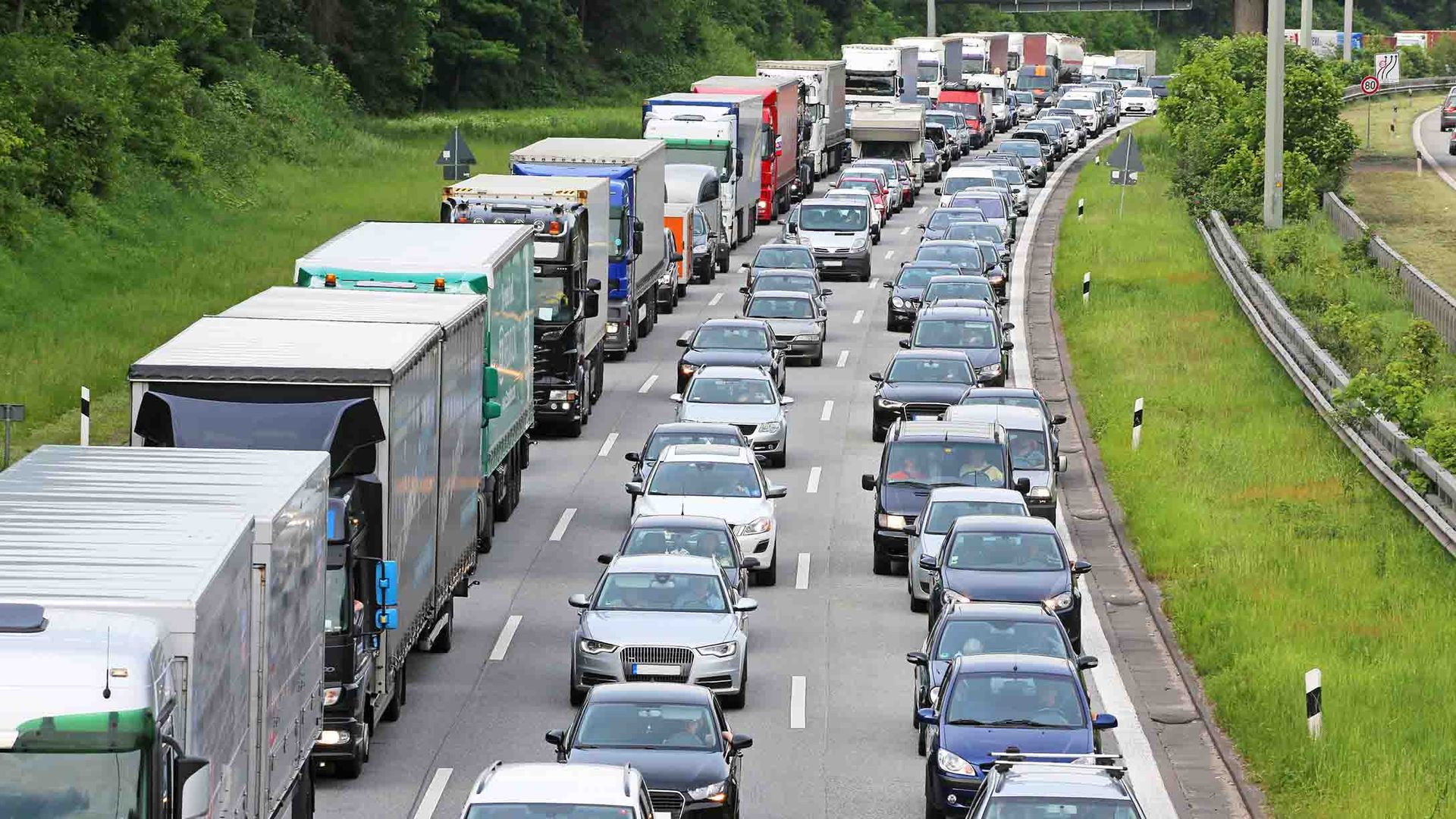
Sometimes the biggest fuel waste is not the driver. It is the schedule. When a fleet dispatches everyone at peak times or sends vehicles repeatedly through congestion corridors, fuel consumption rises through stop-and-go driving, idling at intersections, and aggressive driving caused by delays.
The fix starts with learning your own traffic reality from your trip history. With Maliatrack, you can examine trip duration versus distance to identify slow corridors, then map when those slowdowns happen. Often, small scheduling shifts create big gains. Moving departure windows by even 30 to 60 minutes, staggering dispatch, and defining “avoid windows” for the worst corridors can reduce fuel waste without adding new technology.
Habit 6: Too many short trips that begin with a cold engine
Short trips are expensive. When a vehicle starts cold, efficiency is worse for the first part of the trip. If your operation includes many small errands and repeated short runs, you can end up consuming more fuel than necessary compared to bundling those tasks into one planned route.
This is a planning habit, not a driver habit. In Maliatrack, look at trips per day per vehicle and the share of trips under 10 minutes. When you identify vehicles that do many short trips, the solution is usually to redesign the work: bundle nearby jobs, plan the day before, and reduce back-and-forth movements.
Habit 7: Cooling habits that combine with idling in hot weather
Hot weather can reveal fuel waste quickly. Drivers may idle longer for comfort cooling, and A/C use during short trips can increase consumption. You might not measure A/C directly, but you can usually detect it by patterns: idling spikes at certain hours, long engine-on no-movement events at customer sites, and seasonal fuel cost jumps without route changes.
The most practical solution is not to fight A/C itself. The best win is to reduce idle time. Once idling is under control, the “idle with A/C” waste drops automatically. Clear site rules help, especially at customer locations where waiting is common. If you have operational exceptions, such as cargo requirements, document them so the rule stays fair.
Habit 8: Aerodynamic drag that turns highways into fuel burners
Drag is easy to ignore because it is not visible in a report unless you connect it to results. Roof racks, cargo boxes, and sometimes even open windows can increase drag, especially at highway speeds. If a vehicle has high highway mileage, this becomes a consistent cost.
Here, Maliatrack helps you identify which vehicles do the most high-speed distance. Then you can decide which ones truly need roof configurations and which ones are carrying drag “just in case.” A simple yard check routine can reduce this waste without conflict.
Habit 9: Unnecessary weight that lives in the vehicle for months
Fleet vehicles often become storage. Extra tools, old parts, and “emergency items” accumulate. The impact per item is small, but across many vehicles and many months, it becomes real. Unnecessary weight also contributes to wear.
The fix is operational discipline. Pair a monthly “vehicle clean-out” with maintenance visits and standardize what each vehicle should carry based on job role. Your telematics data can help you flag vehicles that consistently perform worse than similar vehicles on similar routes, which can trigger a quick physical audit.

Habit 10: Tire pressure that is treated as optional
Underinflated tires increase rolling resistance and gradually waste fuel. The problem is not that people do not care. The problem is that tire pressure is easy to forget until it becomes a safety issue.
The best approach is to make tire pressure checks routine and measurable. With Maliatrack, you can track task completion and maintenance compliance even if you are not reading pressure digitally. You can also watch for seasonal shifts where colder temperatures cause pressure to drop, then reinforce the routine.
Habit 11: Maintenance that is delayed until something breaks
A fleet does not need to break down to waste fuel. Small mechanical issues can quietly increase consumption, and missed service intervals often show up as gradual performance drops, not sudden failures.
This is where a maintenance rhythm matters. With Maliatrack, you can schedule service by mileage and engine hours, keep a maintenance compliance dashboard, and investigate sudden fuel or performance trend changes. If a vehicle becomes an outlier in your metrics, treat it as a signal, not noise.
Habit 12: After-hours use that becomes “normal” over time
Unauthorized use is a classic hidden cost because it often looks small in isolation. A short weekend trip here, a late-night errand there. But it accumulates, and it increases risk exposure.
The solution is simple rules and consistent review. Define working hours by vehicle group, configure after-hours movement alerts, and review exceptions weekly. Avoid turning it into constant surveillance. The goal is to reduce misuse, not to create a culture of distrust.
The weekly KPI routine that keeps this under control
The biggest mistake fleets make is tracking everything and acting on nothing. A better approach is to monitor a small set of KPIs weekly and expand only when the routine is stable.
If you want a compact weekly dashboard, focus on idling hours per 100 kilometers, speeding minutes per 100 kilometers, harsh events per 100 kilometers, route deviation rate, trips under 10 minutes, and maintenance on-time rate. These metrics connect directly to actions, which is the whole point.
A rollout plan that actually works
In the first week, focus on visibility. Configure idling thresholds and reports, set up speeding and harsh driving reports, and build a few key geofences for depots and your most frequent customer sites. Then identify the top offenders and start there.
Within 30 days, introduce simple scorecards and short coaching sessions, build repeat route templates, and implement after-hours exception reporting. By 90 days, you should be refining dispatch windows, tightening maintenance discipline, and expanding to more advanced performance analysis.