Running vehicles in Lebanon is not just “knowing where the car is.” It is controlling cost, safety, deliveries, and accountability across traffic, long working hours, and multiple sites.
Maliatrack is designed to be the single platform that fleets in Lebanon use to manage movement and operations end to end: GPS tracking, fleet analytics, route optimization, cold chain monitoring, AI video telematics, and IoT sensors, all in one dashboard.
Maliatrack at a glance (what you get)
Live vehicle tracking with trip history and route replay
Geofences and alerts for branches, warehouses, parking, and customer zones
Driver safety analytics (speeding, harsh events, risky behavior)
Maintenance planning based on mileage or engine hours
Cold chain monitoring with temperature, door, and power alerts
AI video telematics with event-based clips and safety insights
Hardware-agnostic compatibility so you are not locked into one brand
Integration readiness via APIs and workflows (ERP, dispatch, support, reporting)
If you are searching for “GPS tracking systems in Lebanon” or “fleet management Lebanon”, this guide explains what matters, and shows how to choose a solution that scales without headaches.
What is a GPS tracking system?
A GPS tracking system typically includes:
A tracking device installed in the vehicle (or a mobile app for light use cases)
Connectivity (usually via a SIM and cellular network)
A fleet platform where you see vehicles on the map, configure alerts, and analyze trips
Optional sensors (temperature, door open/close, fuel, power status, camera systems)
The goal is simple: real-time visibility plus historical proof, so you can reduce waste, improve safety, and run operations with facts instead of guesswork.
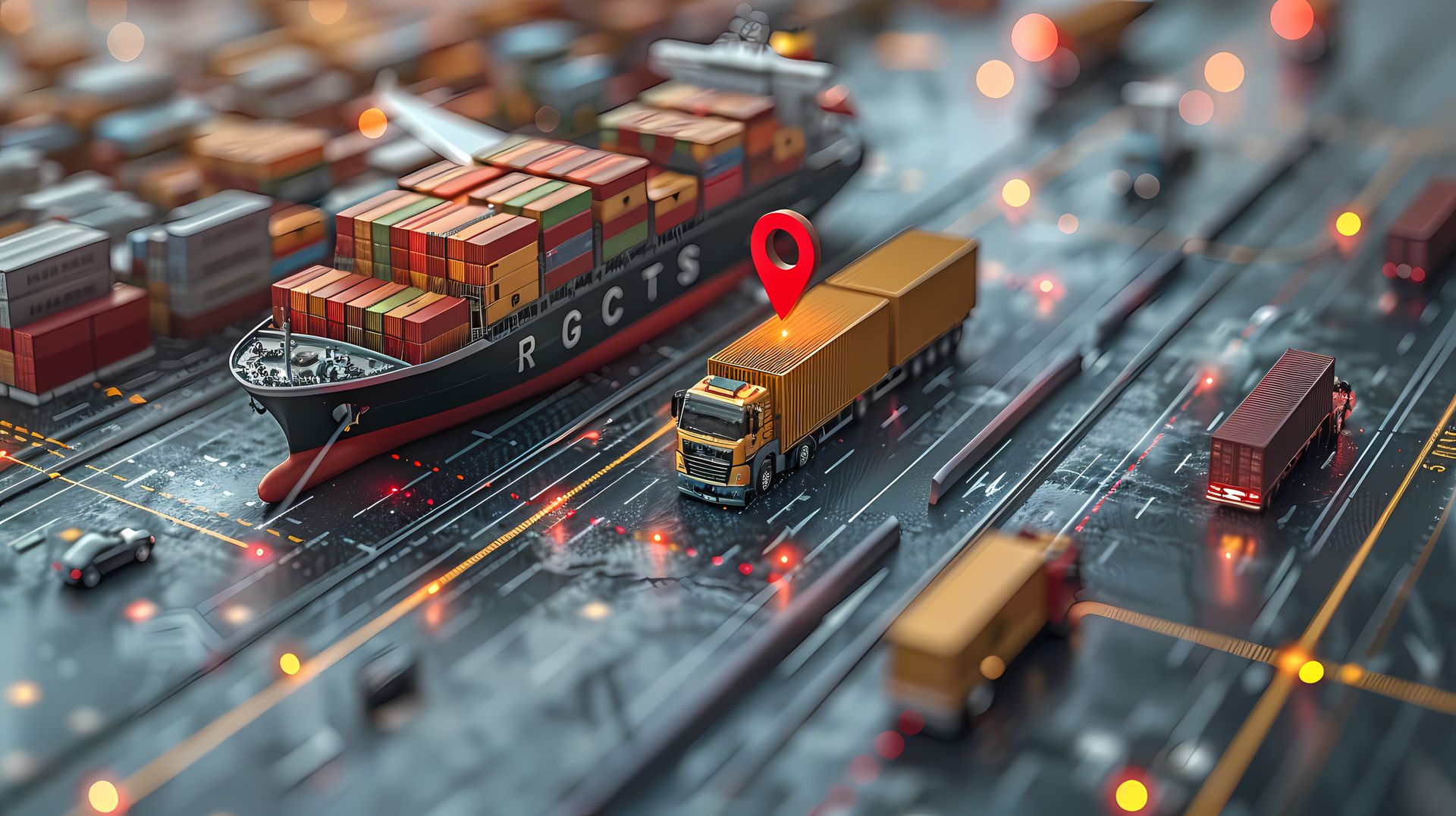
Why fleets in Lebanon adopt tracking and fleet analytics
1) Fuel waste often comes from idling and inefficient routing
Fuel loss is not only about theft. It is also about idle time, unnecessary detours, and poor dispatch. The U.S. EPA notes that unnecessary idling wastes fuel and causes excess engine wear.
The U.S. Department of Energy also shows that fuel consumption at idle is measurable and varies by vehicle type.
What Maliatrack does: highlights idling hotspots, route inefficiencies, and exceptions, then turns them into clear actions (alerts, reports, and coaching).
2) Speeding and risky driving increase crash risk
Safety monitoring is about prevention. The World Health Organization links increased speed to higher crash risk and severity (including quantified risk increases).
What Maliatrack does: tracks speeding and harsh driving events, produces driver scorecards, and supports coaching with evidence (including optional video events).
3) Customers now expect ETA accuracy and proof
Retail distribution, pharma deliveries, technicians, and last-mile fleets are judged on reliability. A good tracking platform helps you provide:
Real ETAs (based on live movement, not guesses)
Proof of visit and stop history
Route compliance and delivery performance reporting

How GPS tracking works (simple view)
Device reads data: GPS position + ignition + mileage + sensor data
Data is transmitted via cellular network
Platform organizes it into maps, timelines, alerts, and reports
You improve operations: reduce idling, enforce zones, optimize routes, plan maintenance
The Maliatrack approach: one platform for tracking, safety, and operations
Many fleets start with basic vehicle tracking, then quickly need more. Maliatrack is structured so you can add capabilities without switching systems.
1) Real-time tracking + trip history you can trust
Live location, movement, and stop detection
Trip playback (route replay) for investigation and accountability
Accurate timestamps for arrival, departure, and idle time
2) Alerts that match how Lebanese fleets actually run
Vehicle moves after working hours
Vehicle exits a geofence (branch, warehouse, parking)
Prolonged idling
Speeding and harsh events
Custom alerts based on your operations and policies

3) Driver safety analytics that reduce risk
Driver scorecards, trends, and exceptions
Coaching reports focused on behavior that actually drives incidents
Optional escalation flows for repeat risky behavior
4) Maintenance and uptime control
Service reminders based on mileage or engine hours
Overdue service alerts
Reports that help you plan maintenance instead of reacting to breakdowns
Cold chain monitoring for fleets in Lebanon (pharma, dairy, frozen)
If you transport temperature-sensitive goods, “arrived on time” is not enough. You also need proof the product stayed within range.
With Maliatrack cold chain monitoring, you can combine:
GPS + temperature sensors
Door open/close events
Power loss alerts (where applicable)
Full temperature history linked to trip timeline for audits and dispute resolution
This is especially relevant for pharma, medical supplies, frozen foods, and dairy distribution.

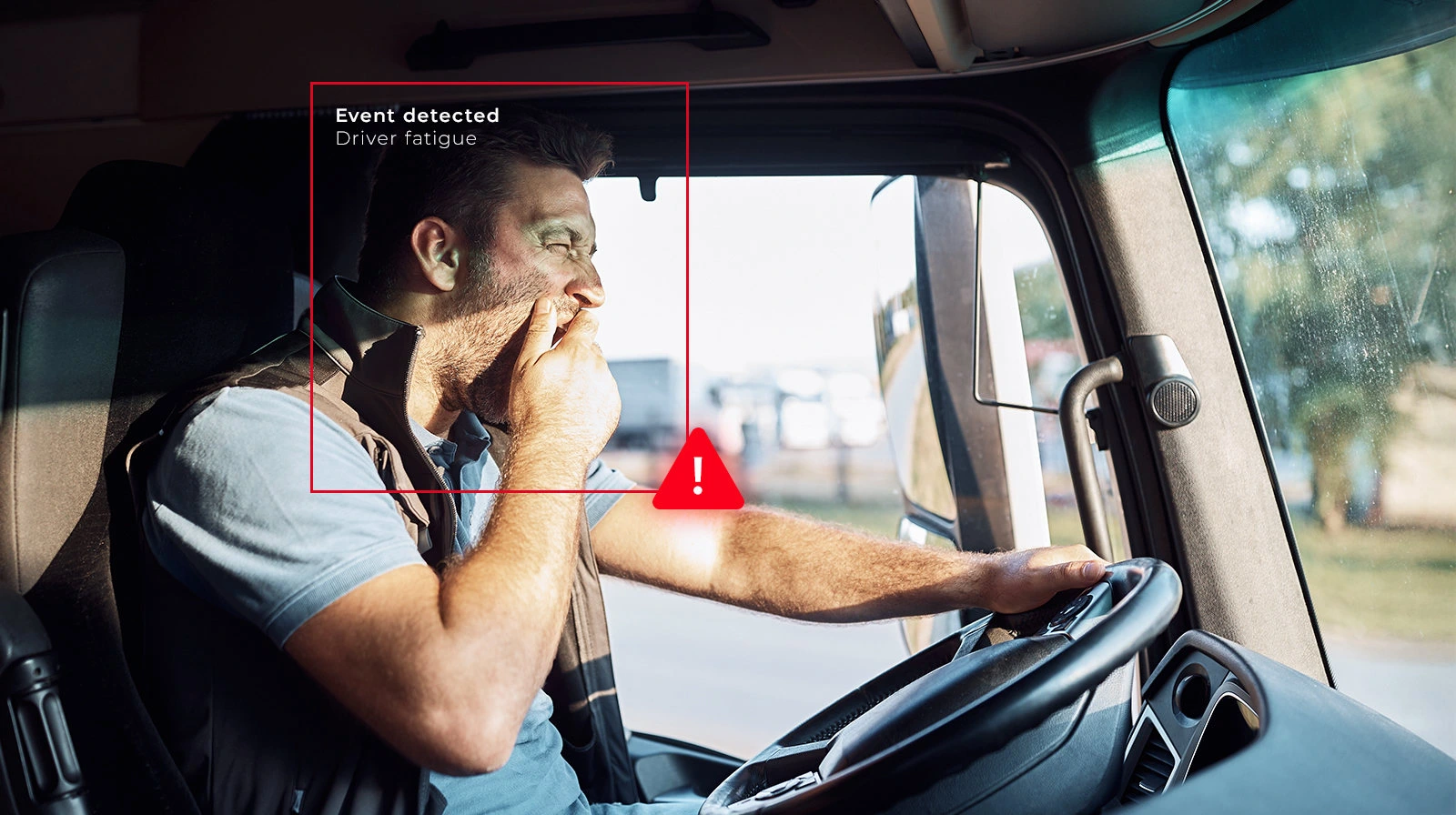
AI video telematics (smart dashcams that do more than record)
Video becomes truly valuable when it is tied to events and analytics.
AI video telematics can support:
Event-based video clips (for harsh braking, speeding, or risky driving triggers)
Faster incident review and driver coaching
Reduced false disputes, with trip context and timestamps
If your fleet has higher risk profiles (delivery bikes, heavy vehicles, late-night operations), video telematics can be one of the highest ROI additions.
Hardware-agnostic compatibility: avoid brand lock-in
Hardware lock-in is one of the most expensive mistakes fleets make. A scalable platform should work with multiple tracker types and sensor ecosystems across cars, vans, trucks, and motorcycles.
Maliatrack is built to be hardware-agnostic through its platform foundation with Wialon. Wialon states it supports more than 4,100 integrated trackers and that it is compatible with 4,100+ device types from 700+ manufacturers.
Practical takeaway: you can standardize the software experience while choosing the right hardware for each vehicle class and budget.
Industries in Lebanon that get fast ROI with Maliatrack
Maliatrack is a strong fit when you need tracking plus operational control:
FMCG and distribution: route discipline, territory control, proof of delivery support
Pharma and medical distribution: cold chain monitoring, compliance reporting
Courier and last-mile: ETAs, stop performance, productivity analytics
Construction and heavy equipment: asset tracking, utilization, theft prevention
Service fleets: visit verification, dispatch visibility, job accountability
Corporate fleets and car rental: after-hours policies, misuse prevention alerts
Schools and transportation: route transparency and safety monitoring
Municipal and waste: route planning, utilization, accountability

What to look for in a GPS tracking provider in Lebanon
Use this checklist. If a vendor cannot confidently cover these, scaling will hurt later:
Local installation and reliable support
Clear reporting (trips, stops, idling, speeding, utilization)
Flexible alerts (zones, schedules, exceptions)
Sensor readiness (temperature, door, fuel, power, cameras)
Exportable data (audits, internal analysis)
Integration options (ERP, dispatch, delivery, BI)
Privacy and access control (roles, permissions, visibility rules)
Implementation plan (fast rollout, clean adoption)
A good rollout is simple and measurable:
Start with a pilot (5 to 20 vehicles)
Define KPIs: idle threshold, speeding policy, working hours, route rules
Create zones: branches, warehouse, danger zones, customer hotspots
Train ops team on daily workflow (alerts, exceptions, reports)
Roll out fleet-wide with a weekly review: exceptions, coaching, optimization

FAQs
How much does a GPS tracking system cost in Lebanon?
Pricing depends on vehicle type, hardware choice, and whether you add sensors (temperature) or cameras. The best approach is to start with a pilot, then scale with the package that matches your operations.
Can I track vehicles even if drivers disable mobile data?
Yes, if you use a professionally installed tracker with its own SIM. Phone-based tracking is useful for light cases, but installed devices are more reliable.
Do trackers work during power cuts or if the vehicle battery is disconnected?
Many trackers can be configured to detect power loss and tampering, and still preserve last-known location and event logs. Ask for battery disconnect scenarios during your pilot.
Can I monitor temperature for refrigerated trucks?
Yes. With temperature sensors, you can track readings in real time, trigger alerts when thresholds are exceeded, and keep history tied to the trip timeline for audits.
How accurate is GPS tracking in Lebanon?
Accuracy depends on hardware quality, installation, and satellite visibility. Open-sky accuracy is strong, while dense urban areas can occasionally reduce precision.
Can I track assets that are not vehicles?
Yes. Generators, trailers, equipment, and containers can be tracked using dedicated asset trackers and appropriate power options.
If you want one system that does it all, start with Maliatrack
If your goal is not just “vehicle tracking Lebanon” but operational control, choose a platform that covers:
Tracking and compliance
Safety and coaching
Maintenance and uptime
Cold chain monitoring
AI video telematics
Hardware flexibility for growth
That is exactly how Maliatrack is designed.